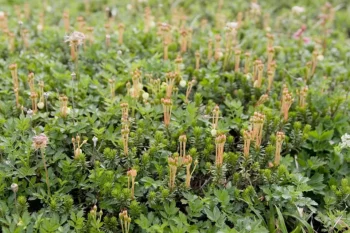
Aleutian Mountainheath: Alaska’s Hardy Ground-Hugging Beauty
If you’re gardening in one of the coldest corners of North America and dreaming of a plant that laughs in the face of bitter winters, meet the Aleutian mountainheath (Phyllodoce aleutica). This plucky little native shrub might just be the tough-as-nails ground cover you never knew you needed.
What Exactly Is Aleutian Mountainheath?
Aleutian mountainheath is a perennial shrub that stays refreshingly compact, typically growing as a low-spreading, multi-stemmed woody plant. Think of it as nature’s answer to extreme weather gardening – a plant that evolved in some of the harshest conditions on the continent and somehow manages to look charming while doing it.
This little powerhouse is native to Alaska, where it naturally thrives in the challenging conditions of the Aleutian Islands and southwestern coastal regions. In Alaska, it usually occurs in non-wetland areas but can occasionally pop up in wetland conditions, showing just how adaptable this hardy character can be.
- Species observed
- No observations
Why Your Garden Might Love This Alaskan Native
Here’s where Aleutian mountainheath really shines: it’s practically indestructible in cold climates. If you’re gardening in USDA hardiness zones 2-6, this plant could be your new best friend. Here’s what makes it special:
- Extreme cold tolerance: This plant has survived Alaskan winters for millennia – your garden’s cold snaps won’t faze it
- Charming flowers: Delicate bell-shaped blooms in shades of pink to white appear in summer clusters
- Year-round interest: Evergreen needle-like foliage provides structure even in the depths of winter
- Pollinator magnet: Those sweet summer flowers attract native bees and other beneficial insects
- Low maintenance: Once established, it pretty much takes care of itself
Perfect Garden Situations
Aleutian mountainheath isn’t for every garden, but in the right spot, it’s absolutely perfect. Consider this plant if you have:
- A rock garden that needs a hardy, low-growing element
- An alpine garden where extreme cold tolerance is essential
- A native plant garden focused on regional species
- Coastal landscapes in very cold climates
- Challenging spots where other ground covers have failed
Growing Your Aleutian Mountainheath
The good news? This plant wants to succeed. Here’s how to give it the best start:
Location and Soil
Choose a spot with partial shade to full sun and ensure your soil drains well – soggy roots are one of the few things that might discourage this tough customer. Aleutian mountainheath prefers acidic soil, so if your garden tends toward alkaline, you might need to amend with some organic matter.
Planting Tips
Spring planting gives your new mountainheath the full growing season to establish. Dig a hole just as deep as the root ball but twice as wide, and don’t forget to mulch around the base to help retain moisture.
Care and Maintenance
Once established, this plant is remarkably self-sufficient. Keep the soil consistently moist but not waterlogged, and resist the urge to over-fertilize – Aleutian mountainheath prefers lean conditions. Pruning is rarely necessary; just remove any dead or damaged branches in early spring.
The Reality Check
Let’s be honest: Aleutian mountainheath isn’t going to work for everyone. If you’re gardening in warm climates (think zone 7 and above), this plant will likely struggle and disappoint. It’s also quite specific in its needs – those cool, moist conditions aren’t negotiable.
But if you’re in its sweet spot climatically, and especially if you’re passionate about growing native plants, Aleutian mountainheath offers something special: a direct connection to the wild landscapes of Alaska, packaged in a garden-friendly form that supports local pollinators and provides year-round beauty.
For gardeners in extremely cold climates looking for reliable, native ground cover that brings a touch of wild Alaska to their backyard, Aleutian mountainheath might just be the perfect fit.