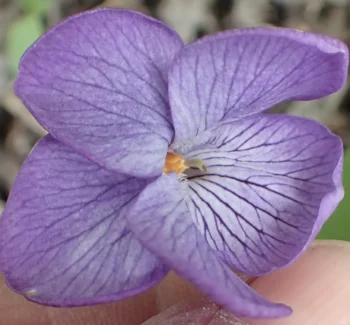
Aleutian Violet: A Charming Native Groundcover for Pacific Northwest Gardens
If you’re looking for a delicate, low-maintenance groundcover that brings a touch of wild beauty to your garden, the Aleutian violet might just be your perfect match. This charming native perennial offers the classic appeal of violets while supporting local ecosystems—a win-win for both your landscape and the environment!
What is Aleutian Violet?
Scientifically known as Viola langsdorffii, the Aleutian violet is a perennial forb native to the Pacific Northwest. As a forb, it’s a non-woody plant that dies back to the ground each winter but returns faithfully each spring. You might also encounter this plant listed under its synonyms Viola langsdorfii, Viola simulata, or Viola superba in older gardening references.
Where Does It Grow Naturally?
This lovely violet is truly a Pacific Northwest native, naturally occurring across Alaska, British Columbia, Yukon, Washington, Oregon, and California. Its broad native range speaks to its adaptability and hardiness—great news for gardeners in these regions!
- Species observed
- No observations
Why Choose Aleutian Violet for Your Garden?
There are several compelling reasons to consider adding this native beauty to your landscape:
- Native plant benefits: Supporting local wildlife and maintaining regional biodiversity
- Low maintenance: Once established, it requires minimal care
- Pollinator friendly: The small flowers attract bees, butterflies, and other beneficial insects
- Versatile placement: Works beautifully as groundcover or in woodland settings
- Moisture tolerant: Thrives in areas that stay consistently moist
Garden Design and Landscape Uses
Aleutian violet shines in several garden settings. It’s particularly well-suited for:
- Woodland gardens and shaded borders
- Native plant gardens
- Groundcover in moist, partially shaded areas
- Naturalized areas and rain gardens
- Under trees and large shrubs
Its delicate appearance and spreading habit make it an excellent choice for softening hard edges or filling in gaps between larger plants.
Growing Conditions and Care
One of the best things about Aleutian violet is how easy-going it is once you understand its preferences. This plant is classified as Facultative Wetland, meaning it usually grows in wetland conditions but can adapt to drier sites.
Ideal growing conditions include:
- Light: Partial to full shade
- Soil: Moist, well-draining soil
- Water: Consistent moisture preferred
- Hardiness: Suitable for USDA zones 3-8
Planting and Care Tips
Getting your Aleutian violet established is straightforward:
- Plant in spring or fall when temperatures are moderate
- Choose a spot with morning sun and afternoon shade, or dappled light throughout the day
- Ensure good drainage while maintaining consistent soil moisture
- Mulch around plants to retain moisture and suppress weeds
- Water regularly during the first growing season to establish roots
- Once established, it’s quite drought tolerant but performs best with regular moisture
Pollinator and Wildlife Benefits
Like most violets, Aleutian violet provides valuable resources for local wildlife. The flowers attract small pollinators including native bees and butterflies, while the foliage may serve as host plants for certain butterfly species. By choosing this native option, you’re creating habitat that supports the intricate web of life in your local ecosystem.
Is Aleutian Violet Right for Your Garden?
This native violet is an excellent choice if you’re gardening in the Pacific Northwest and looking for low-maintenance groundcover that supports local wildlife. It’s particularly perfect for gardeners who want to create naturalized areas or add native plants to shaded spots.
However, if you’re looking for a showstopper with bold, dramatic flowers, you might want to consider other options. Aleutian violet’s charm lies in its subtle beauty and ecological benefits rather than flashy blooms.
Ready to add some native charm to your garden? Aleutian violet might just be the perfect addition to bring a touch of Pacific Northwest wildness to your landscape while supporting local pollinators and wildlife.