Alexander’s Rock Aster: A Rare Southeastern Native Worth Protecting
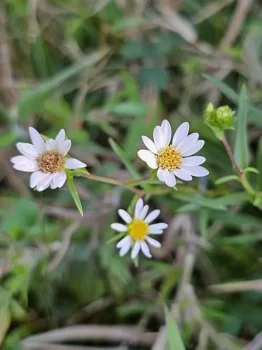
If you’re looking to add a touch of wildflower charm to your southeastern garden while supporting native plant conservation, Alexander’s rock aster (Eurybia avita) might just be the perfect addition. This perennial forb brings the classic beauty of native asters to your landscape, though finding it might require a bit more effort than your typical garden center visit.
What Makes Alexander’s Rock Aster Special
Alexander’s rock aster is a true southeastern native, calling Georgia, North Carolina, and South Carolina home. As a member of the aster family, it shares the beloved characteristics that make these plants so cherished by gardeners and wildlife alike. The plant grows as a forb—essentially a non-woody perennial that dies back to the ground each winter and returns fresh each spring.
This charming native is distributed across three southeastern states, where it has adapted to the region’s specific growing conditions over thousands of years. Its natural range spans from the mountains to the coastal plains of these states, making it well-suited to a variety of garden conditions within its native territory.
- Species observed
- No observations
A Plant That Needs Our Help
Here’s where things get important for conservation-minded gardeners: Alexander’s rock aster has a Global Conservation Status of S3, meaning it’s considered vulnerable. With typically only 21 to 100 known occurrences and between 3,000 to 10,000 individuals remaining, this plant is rare enough that every garden specimen counts toward its conservation.
What does this mean for you as a gardener? It means that if you choose to grow Alexander’s rock aster, you’re not just adding beauty to your landscape—you’re participating in conservation efforts. However, it’s absolutely crucial that you source your plants responsibly from reputable native plant nurseries that propagate rather than wild-collect their stock.
Growing Alexander’s Rock Aster
As a native southeastern perennial, Alexander’s rock aster is naturally adapted to thrive in gardens within its native range. While specific growing condition details are limited, we can draw from its natural habitat and family characteristics to provide some guidance:
- Best suited for gardens in Georgia, North Carolina, and South Carolina
- As a perennial forb, it will return year after year with proper care
- Adapted to southeastern climate conditions and seasonal patterns
- Likely benefits from the same conditions that support other native asters
Garden Design and Landscape Use
Alexander’s rock aster works beautifully in native plant gardens, wildflower meadows, and naturalized landscapes. As the name suggests, it may be particularly well-suited to rock gardens or areas with well-draining soil. Consider incorporating it into:
- Native plant borders and pollinator gardens
- Wildflower meadow plantings
- Rock gardens and naturalized areas
- Conservation-focused landscape designs
Supporting Pollinators and Wildlife
While specific wildlife benefit data isn’t readily available, native asters are generally excellent pollinator plants. As a member of this family, Alexander’s rock aster likely provides nectar and pollen for native bees, butterflies, and other beneficial insects during its blooming period. The seeds may also provide food for birds, contributing to your garden’s ecosystem.
Where to Find Alexander’s Rock Aster
Due to its vulnerable status, Alexander’s rock aster won’t be found at your typical garden center. Instead, look for specialty native plant nurseries in the southeastern region that focus on rare and endangered species propagation. Some botanical gardens and native plant societies may also offer responsibly propagated specimens during plant sales.
Never collect plants from the wild—this could harm the remaining wild populations of this vulnerable species.
The Bottom Line
Alexander’s rock aster offers gardeners in Georgia, North Carolina, and South Carolina a unique opportunity to grow a truly special native plant while contributing to conservation efforts. While it may require more effort to locate and establish than common garden plants, the satisfaction of successfully growing a rare native species makes it worthwhile for dedicated native plant enthusiasts.
If you’re committed to responsible sourcing and native plant gardening, Alexander’s rock aster could become a treasured addition to your landscape—and every plant grown helps ensure this beautiful native doesn’t disappear from our southeastern ecosystems.