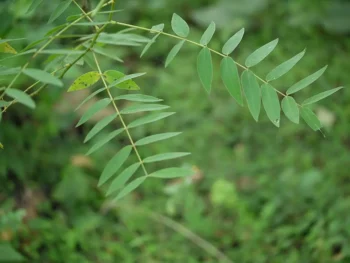
Algarrobilla: A Hidden Gem for Caribbean Gardens
If you’re gardening in the Caribbean or other tropical regions, you might want to get acquainted with algarrobilla (Senna sophera). This charming native shrub doesn’t always get the spotlight it deserves, but it’s got plenty to offer gardeners who appreciate both beauty and ecological value.
What is Algarrobilla?
Algarrobilla, scientifically known as Senna sophera, is a perennial shrub that’s native to Puerto Rico and the U.S. Virgin Islands. You might also see it listed under its former name, Cassia sophera. This multi-stemmed woody plant typically stays under 13-16 feet tall, making it a manageable size for most garden settings.
The plant features compound leaves made up of multiple leaflets and produces clusters of bright yellow flowers that really pop against the green foliage. It’s the kind of plant that adds both structure and color to your landscape without being too demanding.
Where Does Algarrobilla Grow?
This native beauty calls Puerto Rico and the Virgin Islands home, where it has evolved to thrive in the Caribbean climate and conditions.
- Species observed
- No observations
Why Consider Algarrobilla for Your Garden?
There are several compelling reasons to give algarrobilla a spot in your tropical garden:
- Native plant benefits: As a native species, it supports local ecosystems and wildlife that have co-evolved with it
- Pollinator magnet: Those cheerful yellow flowers are excellent for attracting bees and other beneficial pollinators
- Low maintenance: Once established, it’s quite drought tolerant and doesn’t need constant fussing
- Versatile landscaping: Works well as an ornamental shrub, screening plant, or in naturalistic garden designs
Growing Conditions and Care
Algarrobilla is pretty easygoing when it comes to growing conditions, which is always a plus in my book. Here’s what it prefers:
- Light: Full sun to partial shade – it’s adaptable but performs best with plenty of sunshine
- Soil: Well-draining soil is key – it doesn’t like to sit in waterlogged conditions
- Climate: USDA hardiness zones 10-11 only – this is strictly a warm-climate plant
- Water: Regular watering during establishment, then quite drought tolerant
Planting and Care Tips
Getting your algarrobilla off to a good start is pretty straightforward:
- Plant in a location with good drainage – raised beds or slopes work well if you have heavy soil
- Water consistently for the first few months until the plant establishes its root system
- Once established, you can back off on watering – the plant will appreciate occasional deep drinks rather than frequent shallow watering
- Minimal pruning is needed, just remove any dead or damaged branches as needed
- Mulching around the base helps retain moisture and suppress weeds
Is Algarrobilla Right for Your Garden?
If you’re gardening in Puerto Rico, the U.S. Virgin Islands, or similar tropical climates, algarrobilla could be a fantastic addition to your native plant palette. It’s particularly well-suited for:
- Caribbean native plant gardens
- Naturalistic landscapes
- Pollinator gardens
- Low-maintenance tropical landscapes
However, if you’re gardening outside of zones 10-11, this plant won’t survive your winters. In that case, you’ll want to look for native alternatives suited to your specific region.
The Bottom Line
Algarrobilla may not be the flashiest plant in the garden center, but it’s got that reliable, steady charm that makes for great gardening. If you’re in the right climate zone and want to support native biodiversity while adding some sunny yellow blooms to your landscape, this Caribbean native deserves serious consideration. Plus, there’s something deeply satisfying about growing plants that truly belong in your local ecosystem – they just seem to thrive with less effort and more grace.