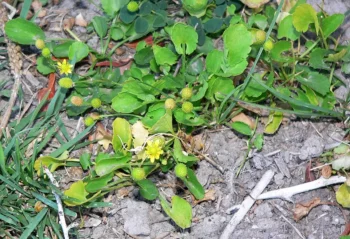
Alkali Buttercup: A Cheerful Native for Your Wetland Garden
If you’ve been searching for a native plant that thrives in those perpetually soggy spots in your garden, meet the alkali buttercup (Ranunculus cymbalaria). This delightful little perennial might just be the golden solution to your wet gardening woes – literally! With its sunny yellow blooms and impressive adaptability, this North American native deserves a closer look from gardeners who embrace moisture-loving plants.
What Makes Alkali Buttercup Special?
The alkali buttercup is a charming herbaceous perennial that belongs to the buttercup family. True to its name, this plant produces lovely yellow flowers that brighten up wetland areas during late spring. Growing to about one foot tall with a semi-erect, single-crown growth form, it creates a fine-textured carpet of green foliage topped with cheerful blooms.
What’s truly remarkable about this plant is its incredible native range. From Alaska down to Texas, and from coast to coast, alkali buttercup has made itself at home across virtually the entire North American continent, including parts of Canada and even Greenland. This widespread distribution speaks to its adaptability and resilience.
- Species observed
- No observations
The Wetland Wonder
Here’s where things get interesting – and where you need to pay attention to your garden’s conditions. Alkali buttercup is classified as an obligate wetland plant across all regions where it grows. This means it almost always occurs in wetlands and has a serious love affair with moisture. If your garden has dry, well-draining soil, this isn’t the plant for you. But if you have areas that stay consistently moist or even boggy, you’ve found your match!
Growing Conditions That Make It Happy
Alkali buttercup is refreshingly honest about its needs – it wants water, and lots of it. Here’s what this moisture-loving native prefers:
- Soil: Fine to medium-textured soils that retain moisture well
- Moisture: High moisture requirements – think bog garden conditions
- pH: Slightly acidic to neutral (6.5-8.0)
- Light: Shade tolerant, making it perfect for those tricky wet, shady spots
- Temperature: Hardy to -38°F, suitable for USDA zones 3-9
Perfect Garden Roles
This native beauty shines in specific garden scenarios:
- Rain gardens where water naturally collects
- Bog gardens designed for moisture-loving plants
- Wetland restoration projects where you’re recreating natural habitats
- Pond edges or stream banks in naturalized settings
- Problem wet areas where other plants struggle to survive
Planting and Care Tips
Growing alkali buttercup successfully is all about understanding its wetland nature:
- Starting from seed: This plant propagates readily from seed, with about 25,000 seeds per pound
- Timing: Plant in spring when soil is workable but still moist from winter
- Spacing: Allow room for the single-crown growth habit
- Maintenance: Once established, it’s relatively low-maintenance if moisture needs are met
- Growth rate: Expect moderate growth with active periods in spring and summer
A Word of Caution
Before you rush out to find alkali buttercup, there’s something important to know: this plant is listed as endangered in New Jersey. While it’s widespread across North America, local populations can be quite rare. If you’re interested in growing this native beauty, make sure to source your seeds or plants from reputable native plant suppliers who use responsibly collected material – never harvest from wild populations.
The Bottom Line
Alkali buttercup is a fantastic choice for gardeners with consistently wet conditions who want to support native biodiversity. Its cheerful yellow flowers, shade tolerance, and extreme hardiness make it a valuable addition to the right garden setting. Just remember – this is a plant that takes moisture-loving very seriously!
If you don’t have the wet conditions this plant craves, don’t try to force it into a dry garden. Instead, consider other native alternatives better suited to your soil conditions. But if you’ve got that perfect soggy spot that challenges most plants, alkali buttercup might just become your new favorite native companion.