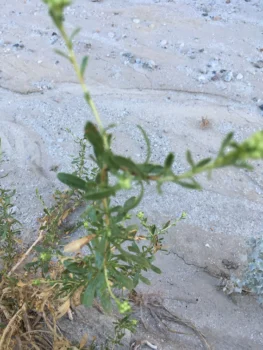
Alkali Goldenbush: A Tough-as-Nails Native for Desert Gardens
Meet alkali goldenbush (Isocoma acradenia), a scrappy little native that’s ready to prove that sometimes the best things come in small packages. This unassuming perennial shrub might not win any beauty contests at first glance, but give it a chance, and you’ll discover why desert gardeners are head-over-heels for this resilient performer.
What Is Alkali Goldenbush?
Alkali goldenbush is a low-growing perennial shrub that keeps things compact and manageable. This little powerhouse typically stays under 1.5 feet tall and never gets taller than 3 feet, making it perfect for gardeners who want impact without overwhelming their space. Despite its modest stature, this native plant packs a serious punch when it comes to adaptability and charm.
Where Does It Call Home?
This tough customer is native to the southwestern United States, naturally occurring across Arizona, California, Nevada, and Utah. You’ll find it thriving in some pretty challenging spots – alkaline flats, desert washes, and other areas where many plants would throw in the towel. Its native status means it’s perfectly adapted to local conditions and supports regional ecosystems.
- Species observed
- No observations
Why Your Garden Will Love Alkali Goldenbush
Here’s where things get exciting. Alkali goldenbush isn’t just another pretty face – it’s a hardworking member of the garden community with some serious benefits:
- Late-season color: When most plants are calling it quits for the year, alkali goldenbush bursts into bloom with cheerful yellow daisy-like flowers in late summer and fall
- Pollinator magnet: Those late-season blooms are absolute gold for native bees, butterflies, and other pollinators who need nectar sources when flowers are scarce
- Drought champion: Once established, this plant laughs in the face of dry conditions – perfect for water-wise gardening
- Low maintenance: Minimal fuss, maximum reward – exactly what busy gardeners want
Perfect Garden Matches
Alkali goldenbush shines brightest in:
- Desert and xeriscape gardens
- Native plant landscapes
- Rock gardens and naturalistic plantings
- Erosion control on slopes and challenging sites
- Low-water groundcover applications
Growing Conditions That Make It Happy
The beauty of alkali goldenbush is its easygoing nature. This plant thrives in USDA hardiness zones 7-10 and has some refreshingly simple needs:
- Sunlight: Full sun is where it’s happiest – the more, the better
- Soil: Alkaline soils are actually preferred (hence the name!), but it’s adaptable to various soil types as long as drainage is good
- Water: Drought-tolerant once established, though occasional deep watering during extreme dry spells won’t hurt
- Wetland status: Classified as Facultative Upland in both the Arid West and Western Mountains regions, meaning it typically grows in non-wetland areas but can occasionally pop up in wetter spots
Planting and Care Tips
Getting started with alkali goldenbush is refreshingly straightforward:
- Planting: Spring is ideal for planting, giving roots time to establish before the heat of summer
- Spacing: Give each plant adequate room to spread – they appreciate good air circulation
- Initial care: Water regularly the first year while roots establish, then back off to occasional deep watering
- Pruning: Light pruning after flowering helps maintain shape and encourages bushier growth
- Fertilizing: Skip the fertilizer – this native prefers lean conditions and too much nutrition can actually make it less resilient
The Bottom Line
Alkali goldenbush might not be the showiest plant in the garden center, but it’s exactly the kind of reliable, eco-friendly performer that smart gardeners appreciate. Its combination of native status, pollinator benefits, extreme drought tolerance, and late-season color makes it a valuable addition to any water-wise landscape. Plus, there’s something deeply satisfying about growing a plant that’s perfectly at home in your local environment – it’s gardening in harmony with nature at its finest.
If you’re looking to create a sustainable, low-maintenance garden that supports local wildlife while conserving water, alkali goldenbush deserves a spot on your plant list. Sometimes the toughest, most dependable plants are the ones that quietly steal the show.