Alkali Mallow: The Unsung Hero of Challenging Garden Spots
If you’ve ever struggled with that stubborn patch of alkaline soil where nothing seems to thrive, meet your new best friend: alkali mallow (Malvella leprosa). This unassuming native perennial might just be the solution you’ve been searching for in those tricky garden spots that make other plants throw in the towel.
What Makes Alkali Mallow Special?
Alkali mallow is a true western native, calling home to twelve states across the American West, from Washington down to Texas and everywhere in between. You’ll find this hardy perennial naturally growing in Arizona, California, Colorado, Idaho, Kansas, Nevada, New Mexico, Oklahoma, Oregon, Texas, Utah, and Washington. As a native species, it’s perfectly adapted to the challenging conditions of western landscapes.
- Species observed
- No observations
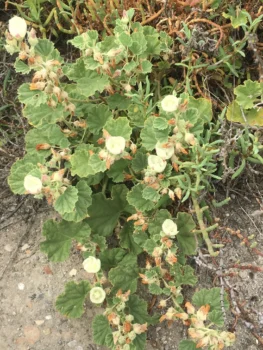
This low-growing forb (that’s garden-speak for a non-woody flowering plant) forms spreading mats that hug the ground, making it an excellent choice for areas where you need something tough but not towering. Don’t let its delicate appearance fool you – this little powerhouse is built to handle conditions that would send pampered garden plants running for cover.
Why Your Garden Needs Alkali Mallow
Here’s where alkali mallow really shines: it’s practically the only plant that gets excited about alkaline, salty soils. While most plants sulk in high-pH conditions, alkali mallow thrives there. Its wetland status varies by region – from facultative upland in the Arid West and Western Mountains to facultative in the Great Plains – meaning it’s adaptable to both dry and occasionally moist conditions.
The aesthetic appeal lies in its understated charm. Small, delicate pink to white flowers dot the plant throughout the growing season, while heart-shaped leaves create an attractive groundcover. It’s not going to win any flashy flower contests, but it brings a subtle, naturalistic beauty that works beautifully in xeriscapes and desert gardens.
Perfect Garden Scenarios
Alkali mallow is your go-to plant for:
- Xeriscaping and drought-tolerant landscapes
- Desert and naturalized garden areas
- Erosion control on slopes with challenging soils
- Areas with alkaline or saline soil conditions
- Low-maintenance ground cover situations
Growing Alkali Mallow Successfully
The beauty of growing alkali mallow lies in its simplicity. This perennial thrives in USDA hardiness zones 4-9, making it suitable for most western gardens. Here’s how to set it up for success:
Sun and Soil: Give it full sun and well-draining soil. It actually prefers alkaline conditions, so don’t bother trying to amend that high-pH soil – alkali mallow loves it just the way it is.
Watering: Once established, this drought-tolerant native needs minimal supplemental water. In fact, overwatering is more likely to cause problems than underwatering.
Planting: Direct seeding in fall often works best, allowing natural winter stratification to occur. Seeds need the cold treatment to germinate properly in spring.
Maintenance: Here’s the best part – alkali mallow thrives on neglect. No fussy fertilizing, no regular pruning, no babying required.
Supporting Local Wildlife
While alkali mallow may look modest, it plays an important role in supporting native pollinators. The small flowers attract native bees and other beneficial insects, making it a valuable addition to wildlife-friendly gardens. Its low-growing, mat-forming habit also provides cover for small ground-dwelling creatures.
The Bottom Line
Alkali mallow might not be the showiest plant in the garden center, but it’s exactly what you need for those challenging spots where other plants fear to tread. If you’re dealing with alkaline soil, want a low-maintenance native groundcover, or are creating a drought-tolerant landscape, this unassuming western native deserves serious consideration. Sometimes the best garden solutions come in the most humble packages.