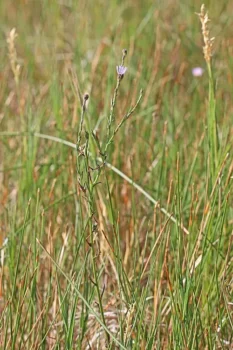
Alkali Marsh Aster: A Late-Season Native Bloomer for Wet Spots
If you’ve been searching for a native plant that thrives in those soggy spots where other flowers fear to tread, meet the alkali marsh aster (Almutaster pauciflorus). This unassuming perennial might not win any flashy flower contests, but it’s got some serious staying power and serves up nectar when most other blooms have called it quits for the season.
What Makes Alkali Marsh Aster Special?
Don’t let the humble appearance fool you – this native North American wildflower is a workhorse in the garden. As a herbaceous perennial forb, it comes back year after year without the fuss of woody stems or complicated pruning schedules. The alkali marsh aster produces small, daisy-like flowers in white to pale lavender that appear in late summer and fall, providing crucial late-season nectar when pollinators are getting desperate.
You might also see this plant listed under its former names, including Aster pauciflorus or Aster hydrophilus, but botanists have given it a new home in the Almutaster genus.
Where Does It Call Home?
This hardy native has quite the geographic range, stretching across western North America from the Canadian provinces of Alberta, Manitoba, and Saskatchewan down through the Northwest Territories and into fourteen U.S. states including Arizona, California, Colorado, Montana, Nevada, New Mexico, North Dakota, South Dakota, Utah, and Wyoming.
- Species observed
- No observations
Growing Conditions: Wet Feet Welcome
Here’s where alkali marsh aster really shines – it actually enjoys what many plants consider torture. This moisture-loving native thrives in zones 3-8 and has earned its facultative wetland status across multiple regions, meaning it usually prefers wet conditions but can tolerate drier spots if needed.
The ideal growing conditions include:
- Moist to wet soils (don’t worry about overwatering!)
- Full sun to partial shade
- Tolerates alkaline soils (hence the alkali in its name)
- Clay soils and seasonal flooding are no problem
Perfect Garden Roles
Alkali marsh aster isn’t your typical border perennial – it’s more of a naturalistic specialist. Consider it for:
- Rain gardens and bioswales
- Wetland restoration projects
- Native plant gardens
- Naturalized meadow areas
- Pond or stream margins
- Areas with seasonal standing water
Pollinator and Wildlife Benefits
While many flowers are winding down for the year, alkali marsh aster is just getting started. Its late-summer to fall blooming period provides essential nectar for migrating butterflies, native bees, and other pollinators preparing for winter. The seeds also provide food for birds, making this plant a valuable addition to wildlife habitat gardens.
Planting and Care Tips
Good news for busy gardeners – alkali marsh aster is refreshingly low-maintenance once established. Here’s how to get started:
- Planting: Spring planting works best, giving roots time to establish before winter
- Spacing: This plant spreads by underground rhizomes, so give it room to roam or plant where spreading is welcome
- Watering: Keep consistently moist, especially during establishment
- Maintenance: Virtually none required – just let it do its thing
- Propagation: Divides easily in spring or fall, or let it self-seed in suitable conditions
Is Alkali Marsh Aster Right for Your Garden?
This native beauty is perfect if you have wet or seasonally flooded areas that challenge other plants. It’s not the showiest flower in the garden, but it fills an important ecological niche and provides late-season interest when most perennials are fading. Plus, there’s something deeply satisfying about growing a plant that’s perfectly adapted to your local conditions and supports native wildlife.
If you’re looking to create a more naturalistic garden, support late-season pollinators, or solve that what grows in wet clay puzzle, alkali marsh aster might just be your answer. Sometimes the best garden plants are the ones that work with nature instead of against it.