Alkali Milkvetch: A Rare California Native Worth Protecting
Meet the alkali milkvetch (Astragalus tener var. tener), a charming little annual that’s as tough as it sounds. This California native has adapted to some pretty harsh conditions, making it a fascinating addition to the right garden – but there are some important things you should know before you start planning.
What Makes Alkali Milkvetch Special?
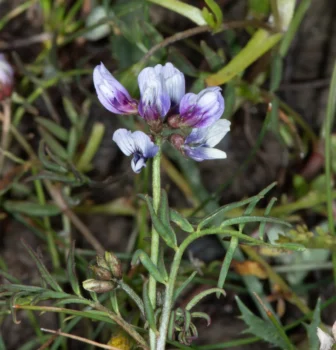
Don’t let the name fool you – this isn’t your typical garden flower. Alkali milkvetch is a hardy annual that produces delicate purple to pink pea-like flowers arranged in small clusters. The plant features compound leaves typical of the legume family, giving it a feathery, delicate appearance that contrasts beautifully with its tough-as-nails personality.
As an annual, this plant completes its entire life cycle in one growing season, typically emerging in late winter or early spring, flowering through spring and early summer, then setting seed before the harsh heat arrives.
Where Does It Call Home?
Alkali milkvetch is a true California native, endemic to the Golden State’s unique alkaline soil environments. You’ll find it naturally occurring in the Central Valley and surrounding foothills, where it has evolved to thrive in conditions that would send most plants packing.
- Species observed
- No observations
A Word of Caution: Rarity Matters
Here’s where things get serious – alkali milkvetch has a Global Conservation Status of S2T2, which indicates this plant is quite rare and potentially at risk. This means if you’re interested in growing it, you absolutely must source seeds or plants responsibly from reputable native plant societies or specialized nurseries that propagate rather than wild-collect their stock.
Never collect seeds or plants from wild populations. Instead, support conservation efforts by purchasing from ethical sources and considering this plant only if you can provide the specialized conditions it needs to thrive.
Garden Role and Landscape Design
This isn’t a plant for every garden, and that’s okay! Alkali milkvetch shines in:
- Native plant restoration projects
- Specialized habitat gardens focusing on alkaline soil plants
- Educational or demonstration gardens showcasing California’s unique flora
- Pollinator gardens designed for native bees and butterflies
Its low-growing habit makes it suitable as a seasonal ground cover in areas with alkaline soils, where it can provide important early-season nectar for emerging pollinators.
Growing Conditions: It’s All About That Alkaline Life
Here’s where alkali milkvetch gets picky – and rightfully so! This plant has very specific needs:
- Soil: Alkaline soils with high pH – this is non-negotiable
- Sun exposure: Full sun
- Water: Moderate water during spring growing season, then dry conditions through summer
- Climate zones: USDA zones 8-10, specifically adapted to California’s Mediterranean climate
If your garden doesn’t naturally have alkaline soil, you might need to amend it or consider whether this plant is right for your space.
Planting and Care Tips
Growing alkali milkvetch successfully requires mimicking its natural habitat:
- Timing: Direct sow seeds in fall for spring germination
- Soil prep: Ensure good drainage and alkaline pH
- Watering: Provide regular water during the growing season, then reduce significantly as temperatures rise
- Maintenance: Minimal – let the plant complete its natural cycle
Remember, this is an annual, so you’ll need to allow it to set seed for next year’s growth or resow annually.
Benefits for Wildlife and Pollinators
Despite its specialized requirements, alkali milkvetch punches above its weight in terms of ecological value. The flowers provide important nectar for native bees, butterflies, and other pollinators during the critical early season when few other plants are blooming in alkaline environments.
As a member of the legume family, it also helps fix nitrogen in the soil, potentially benefiting neighboring plants in restoration settings.
Should You Grow Alkali Milkvetch?
This plant isn’t for everyone, and that’s perfectly fine. Consider alkali milkvetch if you:
- Have naturally alkaline soil conditions
- Are creating a native plant garden focused on California species
- Want to support pollinator conservation efforts
- Can source plants or seeds responsibly
- Understand and can provide its specialized growing conditions
If your garden doesn’t meet these criteria, there are many other wonderful California natives that might be better suited to your conditions while still supporting local wildlife.
Alkali milkvetch reminds us that every plant has its place, and sometimes the most specialized species teach us the most about creating authentic, sustainable gardens that truly support our local ecosystems.