Alkali Sacaton: The Tough-as-Nails Native Grass Your Garden Needs
Looking for a grass that can handle almost anything Mother Nature throws at it? Meet alkali sacaton (Sporobolus airoides), a remarkable native perennial grass that’s been quietly holding down the fort across North America’s most challenging landscapes for millennia. This unassuming bunch grass might just be the low-maintenance hero your garden has been waiting for.
What Makes Alkali Sacaton Special?
Alkali sacaton goes by its scientific name Sporobolus airoides, and while it may not have a long list of flashy common names, this grass more than makes up for it with its incredible resilience. As a native North American species, it’s perfectly adapted to thrive where many other plants would simply give up.
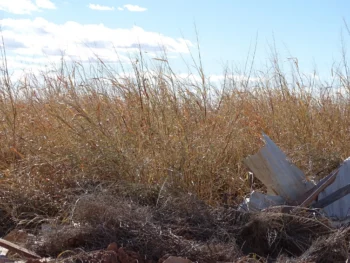
This perennial bunch grass typically reaches about 3 feet in height, forming attractive clumps with fine-textured green foliage. During mid-summer, it produces delicate yellow flower clusters that may not be showy but add a subtle charm to the landscape. The seed heads that follow turn brown and persist into fall, providing visual interest and food for wildlife.
Where Does It Call Home?
Alkali sacaton has one of the most impressive native ranges you’ll find, stretching across much of western and central North America. You can find this adaptable grass naturally growing in British Columbia, Arizona, Arkansas, California, Colorado, Idaho, Kansas, Missouri, Montana, Nebraska, Nevada, New Mexico, New York, North Dakota, Oklahoma, Oregon, South Carolina, South Dakota, Texas, Utah, Washington, and Wyoming.
- Species observed
- No observations
Why Your Garden Will Love Alkali Sacaton
If you’re tired of babying high-maintenance plants, alkali sacaton is about to become your new best friend. Here’s why this grass is a game-changer:
- Drought champion: With high drought tolerance and low moisture requirements, it thrives with minimal watering
- Soil flexibility: Adapts to coarse, medium, and fine-textured soils
- Salt tolerance: High salinity tolerance makes it perfect for challenging sites
- pH adaptable: Handles alkaline soils (pH 6.6-9.0) like a champ
- Cold hardy: Survives temperatures as low as -38°F
Perfect for These Garden Styles
Alkali sacaton shines in several landscape applications:
- Xeriscaping: Ideal for water-wise gardens in arid regions
- Prairie gardens: Essential component of native grassland restorations
- Naturalized areas: Perfect for low-maintenance, natural-looking landscapes
- Erosion control: Deep roots (minimum 16 inches) help stabilize soil
- Wildlife gardens: Provides cover and nesting sites for birds and small animals
Growing Conditions and Care
The beauty of alkali sacaton lies in its simplicity. This grass thrives in USDA hardiness zones 4-9 and prefers full sun locations. It’s shade intolerant, so don’t try to tuck it into that shady corner of your yard.
For optimal growth, alkali sacaton prefers:
- Well-draining soils of any texture
- Areas with 5-13 inches of annual precipitation
- Locations with at least 136 frost-free days
- Medium fertility levels (no need for rich, amended soil)
This grass has a facultative wetland status across all regions, meaning it can handle both wet and dry conditions, though it clearly prefers the drier side of things.
Planting and Establishment Tips
Starting alkali sacaton is refreshingly straightforward. The most reliable method is direct seeding, as this grass propagates readily from seed. With approximately 1.75 million seeds per pound, a little goes a long way!
Here’s how to get started:
- Timing: Plant seeds in spring for best establishment
- Preparation: Prepare a clean seedbed with minimal soil disturbance
- Seeding: No cold stratification required – seeds are ready to go
- Patience: Expect slow initial establishment with low seedling vigor, but don’t give up
- Water sparingly: Provide minimal supplemental water during the first season
What to Expect
Alkali sacaton has a moderate growth rate and will be active during spring and summer months. The grass doesn’t retain its leaves through winter, dying back to reveal its bunch growth form. While it won’t resprout if cut back hard, it has moderate regrowth after normal seasonal die-back.
Don’t expect this grass to spread aggressively – it has no vegetative spread rate and slow seed dispersal, making it well-behaved in garden settings.
The Verdict
If you’re gardening in alkali sacaton’s native range and dealing with challenging conditions like drought, poor soils, or temperature extremes, this grass deserves serious consideration. It’s not the showiest plant in the garden, but it’s reliable, sustainable, and perfectly suited to support local ecosystems.
While we don’t have specific data on its pollinator benefits, as a native grass, alkali sacaton contributes to the complex web of relationships that support native wildlife. Its seeds provide food for birds, and its clumping growth habit offers shelter for small creatures.
For gardeners seeking low-maintenance, water-wise plants that honor their region’s natural heritage, alkali sacaton is a solid choice that will reward your patience with years of steady, understated beauty.