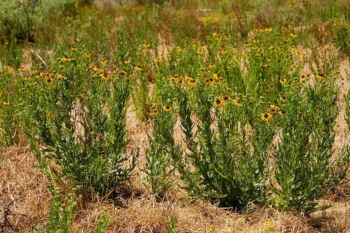
Alkali Sunflower: A Hidden Gem for Southwest Native Gardens
Meet the alkali sunflower (Helianthus laciniatus), a delightful native wildflower that’s been quietly brightening up the American Southwest for centuries. While it might not have the fame of its giant sunflower cousin, this charming perennial deserves a spot in every native plant enthusiast’s heart—and garden!
What Makes Alkali Sunflower Special?
The alkali sunflower is a true southwestern native, calling New Mexico and Texas home. As a perennial forb, it’s one of those wonderful plants that comes back year after year, gradually establishing itself as a reliable garden performer. You might also encounter it listed under its scientific synonyms Helianthus crenatus or Helianthus heiseri in older plant references.
This species is found naturally in New Mexico and Texas, where it has adapted to the unique growing conditions of the southwestern United States.
- Species observed
- No observations
Why Gardeners Love (and Should Love) This Sunflower
There are plenty of reasons to fall for the alkali sunflower:
- Native credentials: As a true native species, it supports local ecosystems and requires minimal resources once established
- Pollinator magnet: The bright yellow blooms attract bees, butterflies, and other beneficial insects
- Drought tolerance: Perfect for water-wise gardening in arid climates
- Low maintenance: Once established, it practically takes care of itself
- Unique foliage: The deeply divided leaves add interesting texture to garden beds
Garden Design and Landscape Uses
The alkali sunflower shines in several garden settings:
- Native plant gardens: A natural choice for authentic southwestern landscapes
- Wildflower meadows: Adds bright color and pollinator appeal to naturalized areas
- Xerophytic gardens: Perfect companion for other drought-tolerant natives
- Border plantings: Creates cheerful accents along pathways or property edges
Growing Alkali Sunflower Successfully
Good news for busy gardeners—the alkali sunflower is refreshingly easy to grow! Here’s what you need to know:
Ideal Growing Conditions
- Sunlight: Full sun is essential for best flowering
- Soil: Well-draining soil is crucial; tolerates alkaline conditions well
- Water: Drought tolerant once established; avoid overwatering
- Climate: Thrives in USDA hardiness zones 7-10
Planting and Care Tips
Getting started with alkali sunflower is straightforward:
- Plant in spring after the last frost date
- Space plants appropriately to allow for mature spread
- Water regularly during the first growing season to help establish roots
- Once established, natural rainfall is usually sufficient
- Deadhead spent flowers to encourage continued blooming
- Allow some flowers to go to seed to support wildlife
Supporting Local Wildlife
By choosing native plants like the alkali sunflower, you’re creating habitat that supports local wildlife. The flowers provide nectar for pollinators, while the seeds can feed birds and small mammals. It’s a win-win situation that helps maintain the ecological balance of your local environment.
Is Alkali Sunflower Right for Your Garden?
If you’re gardening in the southwestern United States, particularly in New Mexico or Texas, the alkali sunflower could be a fantastic addition to your landscape. It’s especially perfect for gardeners who want to reduce water usage, support native pollinators, and enjoy low-maintenance perennials that return reliably each year.
While this sunflower might not be as flashy as some garden showstoppers, its honest beauty, ecological benefits, and easy-going nature make it a valuable player in any native plant garden. Give the alkali sunflower a try—you might just discover your new favorite southwestern native!