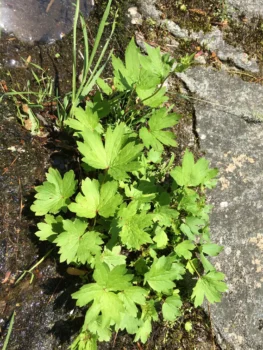
Allegheny Brookfoam: A Hidden Gem for Shade Gardens
Meet Allegheny brookfoam (Boykinia aconitifolia), one of the southeastern United States’ best-kept gardening secrets. This charming native perennial might not be a household name, but it deserves serious consideration for anyone looking to add authentic regional character to their shade garden.
What Makes Allegheny Brookfoam Special?
Allegheny brookfoam is a true native of the American Southeast, naturally occurring across eight states including Alabama, Georgia, Kentucky, North Carolina, South Carolina, Tennessee, Virginia, and West Virginia. This perennial has been quietly beautifying Appalachian woodlands and stream banks for centuries, and it’s ready to do the same for your garden.
- Species observed
- No observations
The plant gets its common name from its preference for moist areas and its delicate, foam-like clusters of small white flowers that appear in late spring. Its scientific name, Boykinia aconitifolia, hints at its distinctive palmate leaves that somewhat resemble those of monkshood (Aconitum species).
A Rare Beauty Worth Protecting
Here’s something important to know: Allegheny brookfoam is considered critically imperiled (S1 status) in Alabama, making it quite rare in parts of its range. If you’re interested in growing this special plant, please source it only from reputable native plant nurseries that propagate their own stock rather than wild-collecting. By choosing responsibly sourced plants, you’re helping protect wild populations while still enjoying this beauty in your own garden.
Perfect for Wetland-Adjacent Gardens
One of the most appealing aspects of Allegheny brookfoam is its flexibility with moisture. Classified as a facultative wetland plant in both the Atlantic and Gulf Coastal Plain and Eastern Mountains and Piedmont regions, it usually thrives in wetland conditions but can adapt to drier sites. This makes it perfect for:
- Rain gardens and bioswales
- Woodland borders near streams or ponds
- Shaded areas with naturally moist soil
- Native plant gardens focusing on southeastern flora
Growing Allegheny Brookfoam Successfully
The good news is that once you understand its preferences, Allegheny brookfoam is relatively low-maintenance. As a perennial, it will return year after year, gradually forming small colonies that add natural charm to shaded corners.
Ideal Growing Conditions:
- Partial to full shade (morning sun is fine, but avoid hot afternoon sun)
- Consistently moist, well-draining soil
- Rich, organic soil with plenty of leaf mold or compost
- USDA hardiness zones 5-8
- Cool, humid conditions similar to its native mountain habitats
Design Ideas and Garden Roles
Think of Allegheny brookfoam as nature’s own groundcover for challenging shady, moist spots. It works beautifully as an understory plant in woodland gardens, where its delicate white flower clusters can brighten dark corners in late spring. The attractive palmate foliage provides interesting texture throughout the growing season.
Consider pairing it with other native shade lovers like wild ginger, trout lily, or native ferns. Its modest size and gentle presence make it an excellent companion plant that won’t compete with showier woodland wildflowers.
Supporting Local Ecosystems
By choosing Allegheny brookfoam, you’re not just adding beauty to your garden – you’re supporting local wildlife and preserving regional plant heritage. Native plants like this one have co-evolved with local pollinators and provide resources that exotic plants simply can’t match.
The Bottom Line
Allegheny brookfoam might require a bit of searching to find (remember, choose nursery-propagated plants only), but it’s worth the effort for gardeners who appreciate subtle beauty and want to support native biodiversity. If you have a shaded, moist spot that needs something special, this southeastern native could be exactly what you’re looking for.
Just remember: start small, source responsibly, and enjoy watching this gentle native settle into its new home. Your local ecosystem will thank you for it.