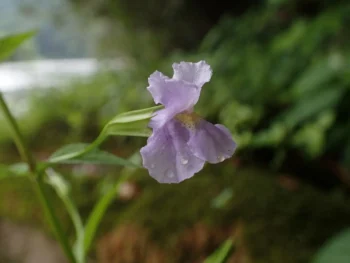
Allegheny Monkeyflower: The Perfect Native Plant for Wet Spots
If you’ve got a soggy spot in your yard that makes you scratch your head wondering what to plant there, meet your new best friend: the Allegheny monkeyflower (Mimulus ringens). This cheerful native perennial doesn’t just tolerate wet feet—it absolutely loves them!
What Makes This Plant Special?
The Allegheny monkeyflower earns its whimsical name from its distinctive purple-blue flowers that, with a little imagination, look like tiny monkey faces peering out at you. These snapdragon-like blooms appear from summer through fall, creating a reliable splash of color when many other plants are winding down for the season.
This herbaceous perennial grows 1-3 feet tall with lance-shaped leaves arranged in opposite pairs along sturdy stems. As a forb, it lacks woody tissue but returns reliably each year from its perennial root system.
A True American Native
One of the best things about Allegheny monkeyflower is its impressive native credentials. This plant naturally occurs across an enormous range, from Canada down through the lower 48 states. You can find it thriving in Alabama, California, Maine, Texas, and just about everywhere in between—spanning Alberta to Saskatchewan in Canada and reaching into dozens of U.S. states.
- Species observed
- No observations
The Ultimate Wetland Plant
Here’s where this plant really shines: it’s classified as an Obligate Wetland species across all regions of North America. This means it almost always occurs in wetlands and absolutely thrives in conditions that would drown most garden plants. Whether you’re dealing with:
- Consistently soggy soil
- Seasonal flooding
- Bog-like conditions
- Stream banks or pond edges
The Allegheny monkeyflower will not only survive but flourish in these challenging spots.
Perfect Gardens for Monkeyflower
This adaptable native fits beautifully into several garden styles:
- Rain Gardens: Excellent for managing stormwater runoff
- Water Gardens: Perfect around pond edges and bog gardens
- Native Plant Gardens: Adds authentic regional character
- Wildlife Gardens: Supports local ecosystem relationships
- Naturalized Landscapes: Creates that wild look with wet meadow appeal
Pollinator Magnet
The tubular flowers of Allegheny monkeyflower are particularly attractive to long-tongued pollinators. You’ll likely see bees working the blooms regularly, and butterflies find them irresistible. Hummingbirds also appreciate the nectar-rich flowers, making this plant a triple threat for pollinator support.
Growing Conditions Made Simple
Successfully growing Allegheny monkeyflower is refreshingly straightforward—just think wet and happy:
- Moisture: Consistently moist to wet soil (this is non-negotiable)
- Light: Full sun to partial shade
- Soil: Any soil type, as long as it stays moist
- Hardiness: USDA zones 3-9
- Flooding: Actually tolerates temporary flooding well
Planting and Care Tips
When to Plant: Spring is ideal, giving plants time to establish before their first winter.
Ongoing Care: This is a wonderfully low-maintenance plant once established. The key is ensuring consistent moisture—if your wet area occasionally dries out, you’ll need to supplement with watering. Deadheading spent flowers can encourage additional blooms, though many gardeners enjoy letting the plant self-seed for a more naturalized look.
Propagation: In suitable conditions, Allegheny monkeyflower will often self-seed, gradually expanding your colony. You can also divide established clumps in spring.
Why Choose Allegheny Monkeyflower?
If you’re looking for a native plant that solves the what grows in wet soil problem while supporting local wildlife and providing season-long beauty, Allegheny monkeyflower checks all the boxes. It’s particularly valuable for gardeners committed to using native plants that have co-evolved with local ecosystems.
Rather than fighting against your site’s wet conditions, embrace them with this resilient, beautiful native that actually prefers what many plants can’t tolerate. Your local pollinators—and your low-maintenance garden goals—will thank you!