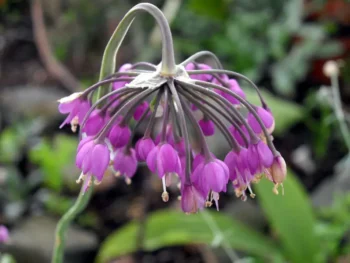
Allegheny Onion: A Rare Native Gem for the Dedicated Gardener
If you’re the type of gardener who gets excited about finding that one plant nobody else has heard of, let me introduce you to Allegheny onion (Allium allegheniense). This little-known native perennial is like the hidden treasure of the onion family – rare, regionally specific, and absolutely perfect for those who love collecting unique native plants.
What Makes Allegheny Onion Special?
Allegheny onion is a native forb that calls the Appalachian region home. Unlike its more famous cousins like wild garlic or nodding onion, this species flies under the radar, quietly growing in the woodlands of North Carolina, Virginia, and West Virginia. It’s what botanists call a forb – basically a fancy way of saying it’s an herbaceous perennial without woody stems.
Where Does It Grow Naturally?
This native beauty has a pretty limited natural range, sticking mainly to the Appalachian region. You’ll find it naturally occurring in:
- North Carolina
- Virginia
- West Virginia
Interestingly, it also appears in the U.S. Virgin Islands, though it’s likely not native there – probably introduced at some point in history.
- Species observed
- No observations
A Word About Rarity
Here’s where things get serious for a moment. Allegheny onion has a conservation status of S3?, which essentially means its rarity level is undefined – and that’s not necessarily a good thing. This uncertain status suggests the plant might be uncommon or even at risk in some areas.
Important: If you’re interested in growing Allegheny onion, please only obtain plants or seeds from reputable native plant nurseries that source their material responsibly. Never collect from wild populations!
Garden Appeal and Design Uses
While specific details about its appearance are limited due to its rarity, Allegheny onion likely shares characteristics with other native alliums – small, delicate white flowers arranged in rounded clusters (called umbels) and narrow, onion-scented leaves. These subtle charms make it perfect for:
- Native plant gardens and collections
- Naturalistic woodland plantings
- Rock gardens with native themes
- Specialized rare plant collections
Growing Conditions
Based on its native habitat in the Appalachian region, Allegheny onion likely prefers:
- Partial shade to dappled sunlight (woodland conditions)
- Well-draining soil
- USDA hardiness zones 5-8
- Moderate moisture levels
Wildlife and Pollinator Benefits
Like other native alliums, Allegheny onion likely provides nectar for small pollinators including native bees, beneficial wasps, and other tiny insects. The flowers, while small, can be valuable food sources during their blooming period.
Should You Grow It?
Allegheny onion is definitely a plant for the dedicated native plant enthusiast rather than the casual gardener. Here’s why you might (or might not) want to add it to your collection:
Reasons to grow it:
- You’re passionate about rare native plants
- You want to support conservation through cultivation
- You have a specialized native Appalachian plant garden
- You enjoy having unique, conversation-starting plants
Reasons to consider alternatives:
- Limited availability makes it hard to source responsibly
- Better-documented native alliums might be more reliable
- Its specific growing requirements aren’t well understood
Alternative Native Alliums
If Allegheny onion proves too elusive, consider these well-documented native alternatives:
- Wild garlic (Allium canadense)
- Nodding onion (Allium cernuum)
- Wild leek/Ramps (Allium tricoccum)
The Bottom Line
Allegheny onion represents the fascinating world of rare native plants that most gardeners never encounter. While it’s not a plant for everyone, it offers dedicated native plant enthusiasts a chance to grow something truly special – and potentially help preserve a species that deserves more attention. Just remember to source responsibly and consider it a long-term commitment to conservation gardening rather than a quick landscape fix.
Sometimes the most rewarding plants are the ones that make you work a little harder to understand and appreciate them. Allegheny onion is definitely one of those plants.