Allegheny Plum: A Hidden Gem for Your Native Garden
If you’re looking to add a truly authentic native shrub to your landscape, the Allegheny plum might just be the perfect choice you’ve never heard of. This charming member of the Prunus family brings both beauty and ecological value to gardens across the eastern United States, though it often flies under the radar compared to its more famous cherry and plum cousins.
What Is Allegheny Plum?
Scientifically known as Prunus alleghaniensis, the Allegheny plum is a native perennial shrub that typically grows 6-15 feet tall and wide. As a multi-stemmed woody plant, it creates a lovely naturalized appearance that fits perfectly into woodland settings and native plant gardens. This hardy shrub has been quietly thriving in American landscapes long before European settlers arrived, making it a true piece of our natural heritage.
Where Does It Grow Naturally?
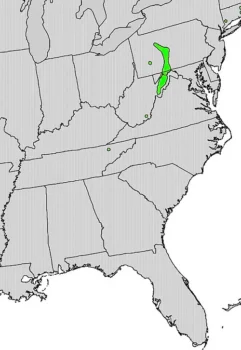
The Allegheny plum calls the eastern United States home, naturally occurring across a impressive range of states including Connecticut, Kentucky, Maryland, Massachusetts, Michigan, New Jersey, New York, North Carolina, Pennsylvania, Tennessee, Virginia, and West Virginia. It’s particularly associated with the Appalachian region, where it has adapted to thrive in rocky, mountainous terrain.
- Species observed
- No observations
Why Choose Allegheny Plum for Your Garden?
There are several compelling reasons to consider adding this native beauty to your landscape:
- Native authenticity: Supporting local ecosystems by choosing truly native species
- Spring beauty: Clusters of small white flowers create a stunning spring display
- Fall interest: Attractive autumn foliage adds seasonal color
- Wildlife value: Small purple-red fruits provide food for birds and other wildlife
- Pollinator support: Spring blooms attract bees and other beneficial insects
- Low maintenance: Once established, it’s quite drought tolerant and self-sufficient
Perfect Garden Settings
The Allegheny plum shines in several landscape applications:
- Woodland gardens and forest edges
- Native plant collections
- Naturalized areas and wildlife gardens
- Slope stabilization on rocky terrain
- Mixed shrub borders with other native plants
Growing Conditions and Care
One of the best things about Allegheny plum is how adaptable and low-maintenance it can be when planted in the right conditions. Here’s what this native shrub prefers:
Hardiness: Thrives in USDA zones 4-7, making it suitable for most temperate climates.
Light requirements: Adaptable to partial shade through full sun, though it naturally grows as an understory plant in the wild.
Soil preferences: Well-drained, slightly acidic soils work best. It particularly loves rocky or sandy soils that mimic its natural mountain habitat.
Water needs: Once established, it’s quite drought tolerant, though regular watering during the first growing season helps establishment.
Planting and Care Tips
Getting your Allegheny plum off to a great start is straightforward:
- Plant in spring or fall when temperatures are moderate
- Dig a hole twice as wide as the root ball but no deeper
- Amend heavy clay soils with compost to improve drainage
- Mulch around the base to retain moisture and suppress weeds
- Water regularly the first year, then reduce as the plant establishes
- Minimal pruning needed – just remove dead or damaged branches
A Worthwhile Addition
While Allegheny plum might not be the showiest shrub in the nursery, its combination of native authenticity, ecological value, and low-maintenance nature makes it a fantastic choice for gardeners who want to support local wildlife while creating beautiful, sustainable landscapes. By choosing native plants like Allegheny plum, you’re not just gardening – you’re participating in conservation and helping to preserve the natural character of your region.
Consider giving this underappreciated native a spot in your garden. Your local birds, bees, and the broader ecosystem will thank you for it.