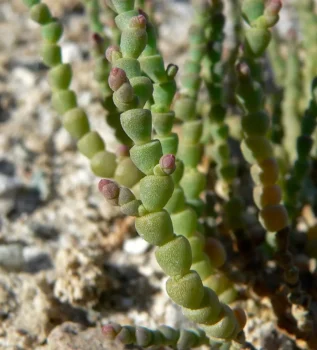
Allenrolfea: The Unsung Hero of Salty, Challenging Soils
Meet allenrolfea, a plant that thrives where most others fear to tread. This unassuming native shrub might not win any beauty contests, but it’s absolutely brilliant at solving some of gardening’s trickiest challenges. If you’ve got salty soil, drought conditions, or a spot where nothing else seems to grow, allenrolfea might just be your new best friend.
What Exactly Is Allenrolfea?
Allenrolfea is a perennial shrub native to the western United States. You might know it by its more colorful common names like iodine bush or saltbush – names that hint at its superpower of tolerating salty conditions that would kill most plants. This woody shrub typically grows as a multi-stemmed plant, usually staying under 13 to 16 feet tall, though it’s often much smaller in harsh conditions.
Where Does It Call Home?
This tough little native has made itself at home across eight western states: Arizona, California, Idaho, Nevada, New Mexico, Oregon, Texas, and Utah. It’s particularly common in areas with alkaline soils and salt flats – places where the growing conditions are, shall we say, less than ideal for your typical garden plants.
- Species observed
- No observations
Why You Might (Or Might Not) Want to Plant It
Reasons to consider allenrolfea:
- It’s incredibly drought tolerant once established
- Thrives in salty or alkaline soils where other plants struggle
- Requires virtually no maintenance
- Perfect for challenging sites and restoration projects
- Native plant that supports local ecosystems
- Hardy across USDA zones 4-9
Reasons you might pass:
- Not particularly showy – think function over form
- Very minimal foliage and inconspicuous flowers
- Limited appeal to pollinators (it’s wind-pollinated)
- Best suited for specialty applications rather than general landscaping
What Role Does It Play in the Garden?
Allenrolfea is definitely not your typical ornamental shrub. Think of it as the ultimate problem-solver plant. It excels in xeriscaping projects, salt-tolerant landscapes, and areas where soil conditions are too challenging for most other plants. It’s particularly valuable for erosion control on difficult sites and habitat restoration projects.
This shrub is perfect for desert gardens, coastal areas with salt spray, or anywhere you need a plant that can handle neglect and harsh conditions with grace.
Growing Conditions and Care
Here’s where allenrolfea really shines – it’s almost ridiculously easy to grow if you put it in the right spot:
Sunlight: Full sun is essential. This plant loves bright, direct sunlight all day long.
Soil: The saltier and more alkaline, the better! It actually prefers what most gardeners would consider problem soils. Regular garden soil works too, but avoid rich, fertile conditions.
Water: Once established, forget about watering. This plant is built for drought and actually prefers dry conditions.
Hardiness: Surprisingly tough, handling zones 4-9 with ease.
Planting and Care Tips
Getting allenrolfea established is straightforward:
- Plant in spring after the last frost
- Choose the driest, saltiest, most challenging spot in your yard
- Water sparingly during the first growing season, then stop
- No fertilizer needed – it actually prefers poor soils
- Pruning is rarely necessary, but can be done in late winter if desired
- Be patient – it may grow slowly at first but becomes very hardy once established
The Bottom Line
Allenrolfea isn’t going to be the star of your flower garden, but it’s an incredibly valuable plant for specific situations. If you’re dealing with salty soils, extreme drought conditions, or need a native plant for a challenging restoration project, this unassuming shrub could be exactly what you need. It’s proof that sometimes the most useful plants aren’t the prettiest ones – they’re the ones that get the job done where nothing else will grow.
Consider allenrolfea for those problem spots in your landscape, and appreciate it for what it does best: surviving and thriving in conditions that would make other plants wave the white flag.