Alligator Juniper: The Drought-Tough Native with Bark That Tells Stories
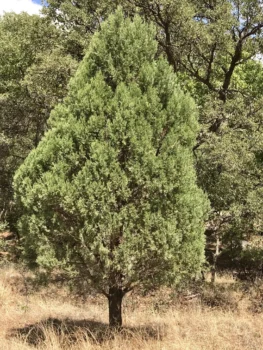
If you’re looking for a native tree that’s as tough as nails and twice as interesting, meet the alligator juniper (Juniperus deppeana). This southwestern stunner gets its memorable name from its distinctive bark that looks remarkably like alligator hide – and trust us, once you see it, you’ll never forget it.
What Makes Alligator Juniper Special?
The alligator juniper is a true native gem, naturally occurring across Arizona, New Mexico, and Texas. As a perennial shrub or small tree, it typically grows as a multi-stemmed woody plant, usually staying under 13-16 feet tall, though it can sometimes surprise you by growing taller or developing a single trunk depending on growing conditions.
What really sets this juniper apart is its incredible bark. The mature bark develops into distinctive square, checkered plates that create a reptilian pattern – hence the alligator moniker. Combined with its blue-green, needle-like foliage and small, berry-like cones, it’s a real showstopper in the landscape.
- Species observed
- No observations
Why Plant Alligator Juniper in Your Garden?
There are plenty of compelling reasons to consider this native beauty for your landscape:
- Drought champion: Once established, alligator juniper laughs in the face of dry conditions
- Low maintenance: Perfect for gardeners who want beauty without the fuss
- Native credentials: Supporting local ecosystems while reducing water needs
- Unique character: That distinctive bark provides year-round visual interest
- Versatile landscaping: Works as a specimen plant, windbreak, or in naturalized areas
Perfect Garden Settings
Alligator juniper shines in several landscape styles:
- Drought-tolerant and xeriscape gardens
- Native plant gardens celebrating southwestern flora
- Mediterranean-style landscapes
- Naturalized areas where you want to mimic native habitat
- As a specimen tree where its unique bark can be appreciated up close
Growing Conditions and Care
The good news? Alligator juniper is remarkably easy-going once you understand its preferences. This tree thrives in USDA hardiness zones 6-9, making it suitable for a wide range of climates.
Sunlight: Give it full sun for the best growth and form. This isn’t a shade-tolerant plant, so don’t tuck it away in a dim corner.
Soil: Well-draining soil is absolutely crucial. Alligator juniper has adapted to rocky, mountainous terrain, so it won’t tolerate soggy conditions. If you have heavy clay, consider amending the soil or creating a raised planting area.
Water: Here’s where this plant really shines – it’s incredibly drought tolerant once established. During the first year or two, provide regular water to help it get established, then gradually reduce watering frequency.
Planting and Care Tips
Planting: Choose your location carefully, as alligator juniper is slow-growing but long-lived. Plant in fall or early spring when temperatures are moderate. Dig a hole only as deep as the root ball but twice as wide to encourage horizontal root spread.
Ongoing care: Once established, this tree is refreshingly low-maintenance. Minimal pruning is needed – just remove any dead or damaged branches. The slow growth rate means you won’t be constantly trimming it back.
Patience required: Remember that alligator juniper is a slow grower. Don’t expect rapid results, but do expect a lifetime of enjoyment from this long-lived native.
Wildlife and Ecosystem Benefits
While alligator juniper is wind-pollinated rather than insect-pollinated, it still provides valuable habitat and food sources for wildlife. Birds often use the dense foliage for nesting, and the small cones provide food for various species.
Potential Considerations
Alligator juniper’s wetland status is classified as Facultative Upland across its native regions, meaning it typically grows in non-wetland areas but can occasionally tolerate wetter conditions. However, for garden success, stick to well-draining locations.
The main consideration with this tree is patience – its slow growth rate means instant gratification gardeners might want to look elsewhere. But for those who appreciate a plant that gets better with age, alligator juniper is a perfect choice.
The Bottom Line
Alligator juniper (Juniperus deppeana) is an excellent choice for gardeners seeking a distinctive, low-maintenance native tree that thrives in challenging conditions. Its unique bark, drought tolerance, and native status make it a valuable addition to water-wise landscapes throughout the Southwest. While it requires patience due to slow growth, the long-term rewards of this characterful tree make it well worth the wait.