Alligatorlily: A Rare Florida Native Worth Growing Responsibly
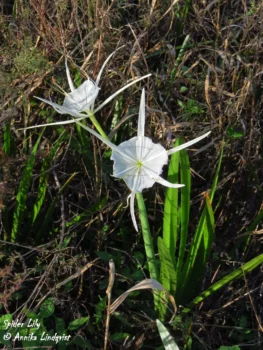
If you’re looking for a stunning native plant that brings both beauty and ecological value to your Florida garden, meet the alligatorlily (Hymenocallis palmeri). This enchanting perennial produces some of the most distinctive flowers you’ll ever see – pure white blooms that look like elegant spiders dancing in the breeze, complete with long, delicate petals and showy stamens that practically glow in moonlight.
What Makes Alligatorlily Special
Alligatorlily is a true Florida treasure – it’s found nowhere else in the world except in the wetlands and swamps of the Sunshine State. As a member of the amaryllis family, this herbaceous perennial grows from a bulb and produces its spectacular flowers during the warm summer months. The fragrant white blooms are absolutely magnetic to nighttime pollinators, especially moths, making your garden come alive after dark.
Where You’ll Find It Growing Wild
This native beauty calls Florida home, specifically thriving in the state’s wetland areas. You’ll find it growing naturally in swamps, marshes, and other consistently moist environments throughout Florida.
- Species observed
- No observations
A Rare Gem That Needs Our Help
Here’s something important every gardener should know: alligatorlily has a conservation status that suggests it may be at risk. While the exact level of concern is still being determined, this makes it even more special to grow in your garden – but only when you source it responsibly. Always purchase plants or bulbs from reputable native plant nurseries rather than collecting from the wild.
Perfect Spots in Your Garden
Alligatorlily isn’t your typical border plant – it’s an obligate wetland species, which means it almost always needs wet conditions to thrive. This makes it perfect for:
- Rain gardens and bioswales
- Edges of ponds or water features
- Bog gardens
- Native plant gardens with consistent irrigation
- Areas that stay naturally moist or flood occasionally
Think of it as your go-to plant for those challenging wet spots where other plants might struggle.
Growing Alligatorlily Successfully
The key to happy alligatorlilies is remembering they’re wetland plants at heart. Here’s what they need:
Light Requirements: Full sun to partial shade – they’re quite adaptable as long as their feet stay wet.
Soil and Water: Consistently moist to wet soil is non-negotiable. Think swamp conditions! They’ll tolerate periodic flooding and actually prefer it to drying out.
Climate: Hardy in USDA zones 8-10, making them perfect for most of Florida and parts of the Gulf Coast.
Planting and Care Tips
Plant bulbs in spring when soil temperatures warm up. Choose a spot that stays consistently moist – if you don’t have a naturally wet area, you’ll need to commit to regular watering or install irrigation. Mulch around the base to help retain moisture and suppress weeds.
The good news? Once established in the right conditions, alligatorlilies are relatively low-maintenance. Just keep them happy with consistent moisture, and they’ll reward you with those stunning summer blooms year after year.
Supporting Pollinators and Wildlife
By growing alligatorlily, you’re creating habitat for native moths and other nighttime pollinators. The fragrant blooms are specifically adapted to attract these creatures, making your garden part of the local ecosystem’s support network.
Should You Grow Alligatorlily?
If you have the right growing conditions – particularly consistently wet soil – and can source plants responsibly, absolutely! You’ll be supporting the conservation of a rare native species while adding a truly unique and beautiful plant to your landscape. Just remember that this isn’t a plant for dry gardens or casual waterers. But if you’re ready to embrace wetland gardening, alligatorlily will become one of your most prized plants.
Growing rare natives like alligatorlily is one of the most rewarding ways to garden – you’re not just creating beauty, you’re helping preserve Florida’s unique botanical heritage for future generations.