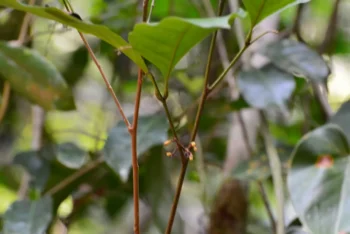
Alligatorwood: A Native Puerto Rican Treasure for Tropical Gardens
If you’re lucky enough to garden in a tropical climate, you might want to get acquainted with alligatorwood (Guarea glabra). This charming native shrub brings a touch of authentic Caribbean character to landscapes, though it’s definitely not a plant for everyone’s backyard.
What Exactly Is Alligatorwood?
Alligatorwood is a perennial shrub that’s part of the mahogany family, though don’t expect it to grow into a towering tree. True to its shrub nature, this multi-stemmed woody plant typically stays under 13-16 feet tall, making it a manageable addition to most garden spaces. You might also see it listed under its synonym, Guarea ramiflora, in older botanical references.
Where Does Alligatorwood Call Home?
Here’s where things get geographically specific – alligatorwood is native exclusively to Puerto Rico. This makes it a fantastic choice if you’re gardening in Puerto Rico and want to support local ecosystems with truly native plants. For gardeners elsewhere, this plant’s very limited natural range means it’s probably not the right fit for your landscape.
- Species observed
- No observations
Why Consider Alligatorwood for Your Garden?
If you’re in the right climate zone (we’re talking USDA zones 10-11), alligatorwood offers several appealing qualities:
- Authentic native character for Puerto Rican landscapes
- Manageable size that won’t overwhelm smaller spaces
- Perennial reliability – plant it once and enjoy it for years
- Likely provides benefits for local pollinators and wildlife
The Growing Reality Check
Let’s be honest – alligatorwood isn’t going to work for most gardeners. Unless you’re gardening in a truly tropical climate that mimics Puerto Rico’s conditions, this plant will likely struggle or fail entirely in your landscape. It’s adapted to specific tropical growing conditions and won’t tolerate frost or extended cool periods.
Growing Alligatorwood Successfully
If you’re in the right climate zone and want to try growing this native beauty, here’s what you need to know:
Climate Requirements: Tropical conditions only – think warm temperatures year-round with no risk of frost.
Growing Conditions: While specific research on this species is limited, most tropical shrubs in the mahogany family prefer well-draining soil and can handle anything from partial shade to full sun.
Care Tips: Standard tropical shrub care should suffice – regular watering during establishment, occasional pruning to maintain shape, and protection from strong winds.
Garden Design Ideas
Alligatorwood works best in:
- Native plant gardens focused on Puerto Rican species
- Tropical landscape designs
- Mixed shrub borders in appropriate climates
- Wildlife-friendly gardens supporting local ecosystems
The Bottom Line
Alligatorwood is a wonderful example of why native plants matter – but only when you’re in their native range. If you’re gardening in Puerto Rico, this shrub deserves serious consideration for its authentic local character and ecosystem benefits. For everyone else, it’s better to admire from afar and focus on plants native to your own region.
Remember, the best garden choices are always plants that naturally thrive in your specific climate and support your local ecosystem. While alligatorwood might not be right for most gardens, there’s surely a native shrub in your area that can provide similar benefits with much greater success.