Alpine Arctic Cudweed: A Challenging Beauty for Serious Alpine Gardeners
If you’re the type of gardener who dreams of recreating the windswept beauty of arctic tundra in your backyard, alpine arctic cudweed (Omalotheca supina) might catch your attention. But before you start planning your purchase, let’s talk about what you’re getting into with this tiny, tough-as-nails native perennial.
What Exactly Is Alpine Arctic Cudweed?
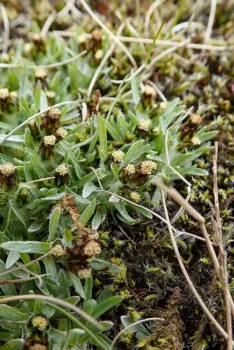
Alpine arctic cudweed is a small perennial forb that’s built for survival in some of North America’s harshest environments. Also known by its scientific name Omalotheca supina (formerly Gnaphalium supinum), this little plant forms low, cushion-like mats covered in woolly, grayish-white foliage that helps it survive brutal arctic conditions.
As a native species, it naturally occurs across Canada, Greenland, and parts of the lower 48 states, specifically in Quebec, Maine, New Hampshire, Labrador, and Newfoundland. This plant has earned its stripes surviving in places where most garden plants would throw in the trowel immediately.
- Species observed
- No observations
The Reality Check: Should You Grow Alpine Arctic Cudweed?
Here’s where we need to have an honest conversation. While alpine arctic cudweed is undeniably fascinating from a botanical perspective, it’s not your typical garden-center impulse buy. This plant is extremely challenging to grow outside of its natural arctic and subarctic habitat.
The aesthetic appeal is subtle at best – we’re talking about small, inconspicuous clusters of tiny flowers and fuzzy foliage that forms low mats. It’s more botanically interesting than showstopping centerpiece. If you’re looking for dramatic garden impact, you might want to consider other native options.
Where It Might Work (Maybe)
If you’re still intrigued, alpine arctic cudweed could potentially find a place in:
- Specialized alpine rock gardens
- Collections focused on rare native plants
- Cool-climate areas with naturally rocky, well-drained soils
- Educational or research gardens featuring arctic flora
Growing Conditions: The Challenge Ahead
Alpine arctic cudweed thrives in USDA hardiness zones 1-4, with possibly some success in zone 5 under perfect conditions. Here’s what this arctic native demands:
- Cool summers: Hot weather is basically kryptonite to this plant
- Excellent drainage: Think rocky, sandy soils that never stay soggy
- Consistent moisture: Dry conditions are just as problematic as wet ones
- Protection from heat: Afternoon shade in warmer climates is essential
Planting and Care Tips for the Brave
If you’re determined to give alpine arctic cudweed a try, here are some survival strategies:
- Source plants from reputable native plant specialists (good luck finding them!)
- Create a microclimate that mimics alpine conditions with rocks and good air circulation
- Use a growing medium that’s mostly sand and gravel with minimal organic matter
- Provide consistent but not excessive moisture
- Consider growing it in a specialized alpine house or cold frame
Wildlife and Pollinator Benefits
While alpine arctic cudweed won’t be hosting any butterfly garden parties, it does serve a purpose in its natural ecosystem. The flowers, though tiny, may provide some nectar for hardy arctic insects, and the seeds could potentially feed small birds in its native range.
The Bottom Line
Alpine arctic cudweed is one of those plants that’s fascinating to know about but incredibly difficult to grow successfully. Unless you’re a dedicated alpine gardener with experience growing challenging arctic species, or you happen to live in a climate that naturally mimics the arctic tundra, you might want to admire this one from afar.
For most gardeners seeking native plants, there are plenty of other beautiful, easier-to-grow options that will give you more bang for your buck and a much better chance of success. But if you’re up for the challenge and have the right conditions, alpine arctic cudweed could be a unique addition to a specialized collection.
Sometimes the most interesting plants are the ones that remind us just how diverse and adaptable nature can be – even if they’re not quite ready to adapt to our gardens.