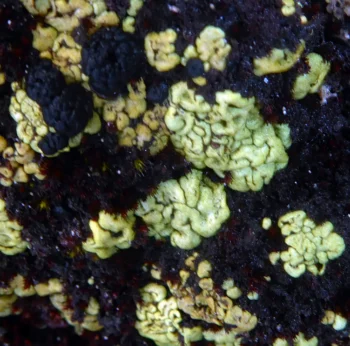
Alpine Arthrorhaphis Lichen: A Tiny Mountain Marvel You Might Never Notice
Have you ever wondered about those pale, crusty patches you see on rocks during mountain hikes? Meet the alpine arthrorhaphis lichen (Arthrorhaphis alpina), a fascinating organism that’s been quietly decorating North America’s high-altitude landscapes for centuries. While you won’t be adding this little character to your garden bed anytime soon, understanding what it is and where it thrives can deepen your appreciation for the incredible diversity of life around us.
What Exactly Is Alpine Arthrorhaphis Lichen?
First things first – despite its name suggesting it’s a plant, Arthrorhaphis alpina is actually a lichen. Lichens are remarkable partnerships between fungi and algae (or sometimes cyanobacteria), working together in perfect harmony. The fungal partner provides structure and protection, while the algae partner produces food through photosynthesis. It’s like nature’s ultimate roommate situation!
This particular lichen is also known by its scientific synonym, Bacidia alpina, though most people simply call it alpine arthrorhaphis lichen. It belongs to a group of crusty lichens that form thin, pale patches on rock surfaces.
Where Does It Call Home?
As a native North American species, alpine arthrorhaphis lichen has claimed the continent’s most dramatic real estate – the rocky cliffs and boulder fields of arctic and alpine regions. You’ll find this hardy little organism clinging to life in some of the harshest environments imaginable, from mountain peaks to northern wilderness areas where few other organisms dare to venture.
How to Spot Alpine Arthrorhaphis Lichen
Identifying this lichen requires a keen eye and probably a magnifying glass. Here’s what to look for:
- Pale, whitish to grayish crusty patches on rock surfaces
- Thin, closely adhering growth that seems almost painted on the rock
- Small size – often just a few centimeters across
- Preference for exposed rock faces in high-altitude environments
- Clean air locations (lichens are sensitive to pollution)
Don’t expect to find large, showy displays. This lichen is more about subtle beauty and incredible resilience than flashy appearances.
Is It Beneficial to Your Garden?
While you can’t exactly plant alpine arthrorhaphis lichen in your backyard garden (and honestly, it wouldn’t survive there anyway), its presence in natural areas is incredibly beneficial to the broader ecosystem. Lichens like this one:
- Help break down rock surfaces, contributing to soil formation over geological time
- Provide food for small invertebrates and some specialized animals
- Serve as indicators of air quality – their presence suggests clean, unpolluted environments
- Add to biodiversity in harsh environments where few other organisms can survive
Why You Should Care (Even If You Can’t Grow It)
Alpine arthrorhaphis lichen might seem insignificant, but it represents something pretty amazing – life persisting in places that seem utterly inhospitable. These tiny organisms can survive extreme cold, intense UV radiation, and dramatic temperature swings that would quickly finish off most plants and animals.
If you’re lucky enough to spot this lichen during your mountain adventures, take a moment to appreciate the incredible partnership happening right before your eyes. It’s a reminder that nature finds ways to thrive in the most unexpected places, often through cooperation rather than competition.
The Bottom Line
While alpine arthrorhaphis lichen won’t be joining your garden party anytime soon, it’s a fascinating example of nature’s ingenuity and resilience. The next time you’re exploring high-altitude rocky areas, keep an eye out for those pale, crusty patches – you might just be looking at one of nature’s most successful partnerships in action. And remember, if you do spot some, resist the urge to collect it. These slow-growing lichens are best left where they belong, quietly doing their part to make the mountain ecosystem complete.