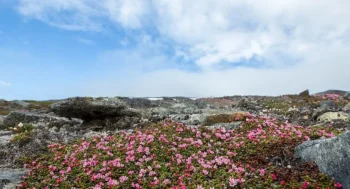
Alpine Azalea: A Tiny Arctic Treasure for Cold-Climate Gardens
If you’ve ever dreamed of bringing a piece of the Arctic tundra to your backyard, meet the alpine azalea (Loiseleuria procumbens). This pint-sized powerhouse is one of nature’s most resilient ground covers, thriving in conditions that would make most plants wave the white flag of surrender.
What Is Alpine Azalea?
Alpine azalea is a perennial evergreen shrub that stays remarkably low to the ground – we’re talking just a few inches tall! Don’t let its diminutive stature fool you, though. This tough little plant forms dense, spreading mats that can slowly colonize rocky terrain with the determination of a mountain climber.
You might also see this plant listed under its scientific synonyms, including Azalea procumbens or Kalmia procumbens, but they’re all referring to the same hardy arctic specialist.
Where Does Alpine Azalea Call Home?
This plant is a true northerner, native to some of the coldest regions on Earth. In North America, you’ll find wild populations stretching across Alaska, most of Canada (including Alberta, British Columbia, Manitoba, Quebec, Saskatchewan, Yukon, Northwest Territories, and Nunavut), and even dipping down into a few northern U.S. states like Maine, New Hampshire, New York, and Washington.
- Species observed
- No observations
Why You Might Want Alpine Azalea
Here’s where alpine azalea really shines:
- Extreme cold tolerance: This plant laughs at temperatures that would kill most garden favorites
- Unique aesthetic: Tiny pink or white bell-shaped flowers appear in late spring, followed by attractive reddish-bronze winter foliage
- Low maintenance: Once established, it pretty much takes care of itself
- Erosion control: Those spreading mats help stabilize soil on slopes
- Native wildlife support: Small native bees and flies appreciate the modest flowers
The Reality Check: Why Alpine Azalea Isn’t for Everyone
Before you get too excited, let’s talk about the elephant in the room – or rather, the arctic conditions in the garden. Alpine azalea is incredibly picky about its growing conditions:
- Hardiness zones: Only suitable for USDA zones 1-4 (maybe zone 5 with perfect conditions)
- Heat intolerant: Hot, humid summers will quickly dispatch this arctic native
- Slow growing: Patience isn’t just a virtue – it’s a requirement
- Specialized needs: Requires acidic soil and excellent drainage
Perfect Garden Settings
If you live in the right climate, alpine azalea works beautifully in:
- Rock gardens with excellent drainage
- Alpine garden collections
- Cold-climate xeriscapes
- Specialized arctic or subarctic themed landscapes
- Containers in very cold regions (bring indoors where temperatures might exceed its comfort zone)
Growing Alpine Azalea Successfully
Location and Soil: Choose a spot with full sun and exceptionally well-draining, acidic soil. Think mountain scree rather than garden loam. Sandy or gravelly soil amended with peat moss works well.
Planting: Seeds need cold stratification (several months of cold, moist conditions) to germinate. Most gardeners will want to source plants from specialized alpine plant nurseries.
Watering: Provide consistent moisture but never let the roots sit in water. The plant’s wetland status varies by region – it can handle some moisture but demands excellent drainage.
Fertilizing: Skip the fertilizer! This plant is adapted to nutrient-poor conditions and can actually be harmed by rich soils.
Mulching: Use gravel or stone chips rather than organic mulches, which can retain too much moisture and create fungal problems.
The Bottom Line
Alpine azalea is definitely not a plant for every garden, but for cold-climate gardeners looking for something truly unique, it’s a fascinating addition. Its native status across much of northern North America makes it an excellent choice for supporting local ecosystems – if you can provide the arctic-like conditions it craves.
If you live south of zone 4 or struggle with hot, humid summers, you might want to admire this plant in its natural habitat or consider cold-hardy native alternatives like winterberry or bog rosemary that are better suited to slightly warmer conditions.
For the dedicated cold-climate gardener willing to meet its specific needs, alpine azalea offers a genuine piece of the Arctic tundra – complete with the bragging rights that come with successfully growing one of the world’s most cold-adapted flowering plants.