Alpine Bellemerea Lichen: A Hardy Rock Dweller in Your Garden’s Wild Spaces
If you’ve ever hiked through alpine regions or explored rocky mountainous terrain, you might have encountered the subtle beauty of alpine bellemerea lichen (Bellemerea alpina) without even realizing it. This fascinating organism isn’t your typical garden plant – in fact, it’s not a plant at all!
What Exactly is Alpine Bellemerea Lichen?
Alpine bellemerea lichen is a unique organism that represents one of nature’s most successful partnerships. Like all lichens, it’s actually a symbiotic relationship between fungi and algae, working together to create something neither could achieve alone. This particular species has adapted to thrive in some of the harshest environments on Earth.
You might also encounter this species listed under its scientific synonyms, including Aspilicia alpina or Lecanora alpina, depending on the reference source you’re consulting.
Where Does It Call Home?
This hardy lichen is native to North America, where it makes its home in the most unforgiving alpine and arctic environments. You’ll typically find it clinging to rock surfaces in high-altitude mountainous regions, where few other organisms can survive the extreme cold and harsh conditions.
Spotting Alpine Bellemerea Lichen in the Wild
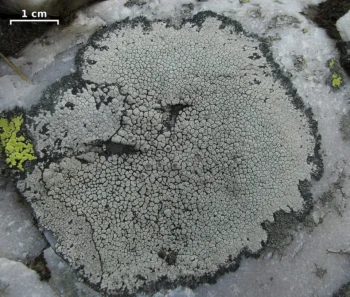
Identifying alpine bellemerea lichen requires looking closely at rocky surfaces in cold, mountainous areas. Here’s what to watch for:
- Crusty, patch-like growth on rock surfaces
- Grayish-white to pale coloration
- Tight adherence to stone substrates
- Presence in high-altitude, cold environments
- Often found alongside other alpine lichen species
Is It Beneficial to Your Garden?
While you won’t be planting alpine bellemerea lichen in your flower beds anytime soon, its presence in your local ecosystem is actually quite valuable. Lichens like this one serve as important environmental indicators – their presence suggests clean air and a healthy ecosystem.
If you’re lucky enough to have natural rocky outcroppings or stone features in your landscape that happen to host lichens, consider yourself fortunate! These organisms:
- Indicate good air quality in your area
- Contribute to the slow process of soil formation by breaking down rock
- Provide habitat and food for various small creatures
- Add natural character and authenticity to wild garden spaces
Can You Cultivate Alpine Bellemerea Lichen?
Here’s where things get interesting – you can’t really grow alpine bellemerea lichen in the traditional gardening sense. This species requires very specific environmental conditions that are nearly impossible to replicate in most garden settings. It needs:
- Extremely cold temperatures
- High altitude conditions
- Specific rock substrates
- Clean, unpolluted air
- Natural weathering processes
Appreciating Nature’s Patience
If you’re fortunate enough to spot alpine bellemerea lichen during your outdoor adventures, take a moment to appreciate the incredible resilience of this organism. It grows extremely slowly and can live for decades or even centuries, quietly going about its business of surviving in conditions that would challenge even the hardiest garden plants.
While you might not be able to add this particular species to your garden wishlist, its existence reminds us of the incredible diversity of life forms that contribute to healthy ecosystems – even in the most unexpected places.