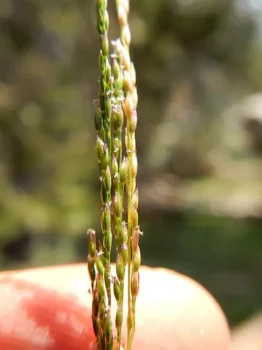
Alpine Bentgrass: A Hardy Mountain Native for Cool-Climate Gardens
If you’ve ever hiked through high-elevation meadows and admired the delicate, fine-textured grasses swaying in mountain breezes, you’ve likely encountered alpine bentgrass (Agrostis humilis). This unassuming perennial grass might not win any flashiness contests, but it’s a champion when it comes to surviving in tough mountain conditions – and it can bring that same resilience to your garden.
What Is Alpine Bentgrass?
Alpine bentgrass is a low-growing perennial grass that forms neat tufts or spreading mats. As a graminoid (grass-like plant), it belongs to the true grass family and produces those characteristic narrow leaves and delicate flower clusters that dance in the slightest breeze. Don’t be surprised if you see it listed under some of its scientific synonyms like Podagrostis humilis or Agrostis thurberiana – botanists love to keep us on our toes!
Where Does It Call Home?
This hardy little grass is a true North American native, naturally occurring across a impressive range from Alaska down through western Canada and into the western United States. You’ll find wild populations thriving in Alberta, British Columbia, Alaska, California, Ontario, Colorado, Idaho, Montana, Nevada, New Mexico, Oregon, Utah, Washington, and Wyoming. It’s particularly at home in high-elevation environments where many other plants would simply give up.
- Species observed
- No observations
Why Consider Alpine Bentgrass for Your Garden?
While alpine bentgrass won’t stop traffic with showy blooms, it offers several compelling reasons to include it in the right garden setting:
- Extreme hardiness: Thriving in USDA zones 3-7, this grass laughs in the face of harsh winters
- Low maintenance: Once established, it requires minimal care and attention
- Erosion control: Its spreading growth habit helps stabilize soil on slopes
- Native plant credentials: Supporting local ecosystems and wildlife
- Drought tolerance: After establishment, it can handle dry periods reasonably well
Perfect Garden Settings
Alpine bentgrass isn’t meant for every garden, but it shines in specific situations:
- Rock gardens: Its fine texture provides a perfect backdrop for alpine plants and stone features
- Alpine gardens: A natural choice for high-elevation garden themes
- Naturalized areas: Excellent for creating low-maintenance meadow-like spaces
- Slope stabilization: Helps prevent erosion while looking natural
- Native plant gardens: Adds authentic local flora to your landscape
Growing Conditions and Care
The key to success with alpine bentgrass is understanding its mountain origins. This plant prefers:
- Cool temperatures: It performs best in areas with cool summers and cold winters
- Moist but well-draining soil: Think mountain meadow conditions – not soggy, not bone dry
- Full sun to partial shade: Adaptable to various light conditions
- Poor to average soil: Actually prefers lean soils over rich, fertilized ground
Special Considerations: The Wetland Connection
Here’s something interesting about alpine bentgrass – it’s classified as Facultative Wetland across its range. This means you’ll often find it in wet areas, but it’s perfectly happy in regular garden soil too. This adaptability makes it particularly valuable for areas that might occasionally get soggy, like the edges of rain gardens or naturally wet spots in your yard.
Planting and Establishment Tips
Getting alpine bentgrass started requires a bit of patience, but the results are worth it:
- Seed starting: This grass is typically grown from seed rather than transplants
- Cool season planting: Sow seeds in early spring or fall when temperatures are cool
- Keep moist: Maintain consistent moisture during the germination and establishment period
- Be patient: Like many native grasses, it may take a full season to become well-established
- Minimal fertilization: Avoid heavy feeding, which can encourage weedy growth
Wildlife and Ecosystem Benefits
While alpine bentgrass is wind-pollinated and doesn’t directly attract pollinators like showy flowers do, it still plays important ecological roles. As a native grass, it provides habitat structure for small wildlife, helps support the insects that many birds depend on, and contributes to the overall health of native plant communities.
Is Alpine Bentgrass Right for Your Garden?
Alpine bentgrass is perfect if you’re looking for a low-maintenance, hardy native grass for naturalized areas, rock gardens, or alpine themes. It’s especially valuable in cooler climates where you want something reliably tough but not aggressive. However, if you’re gardening in hot, humid climates or looking for a showstopper ornamental grass, you might want to consider other options.
For gardeners in the mountain west or northern regions who want to embrace native plants and create sustainable, low-maintenance landscapes, alpine bentgrass deserves serious consideration. It’s one of those quiet heroes that does its job beautifully without demanding attention – sometimes the best kind of garden plant there is.