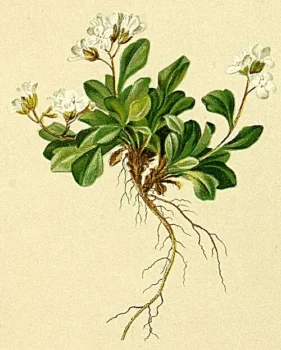
Alpine Bittercress: A Hardy Native Groundcover for Cool Climate Gardens
If you’re looking for a delicate yet resilient native plant that thrives in cooler climates, alpine bittercress (Cardamine bellidifolia) might just be the perfect addition to your garden. This charming perennial forb brings understated beauty to alpine gardens and naturalized landscapes across northern North America.
Meet Alpine Bittercress
Alpine bittercress is a low-growing perennial that belongs to the mustard family. As a forb, it’s a non-woody plant that dies back to ground level each winter, only to emerge again with fresh growth in spring. Don’t let its delicate appearance fool you – this little plant is incredibly tough and well-adapted to harsh mountain and northern conditions.
Where Alpine Bittercress Calls Home
This native beauty has quite an impressive range! Alpine bittercress is native throughout much of northern North America, including Alaska, Canada, Greenland, and several northern U.S. states. You’ll find it growing naturally in Alberta, British Columbia, Alaska, California, Quebec, Yukon, Northwest Territories, Nunavut, Maine, New Hampshire, Oregon, Washington, Labrador, and Newfoundland.
- Species observed
- No observations
Why Gardeners Love Alpine Bittercress
There are several compelling reasons to consider alpine bittercress for your garden:
- Native plant benefits: As a true native, it supports local ecosystems and requires minimal resources once established
- Delicate beauty: Small white flowers with four petals create charming clusters above compound, finely-divided leaves
- Pollinator support: The modest flowers attract small pollinators like flies and tiny bees
- Versatile moisture tolerance: Can grow in both wetland and non-wetland conditions, making it adaptable to various garden spots
- Cold hardy: Thrives in USDA zones 2-7, perfect for northern gardens
Perfect Garden Spots for Alpine Bittercress
Alpine bittercress shines in specific garden settings:
- Rock gardens: Its low-growing habit makes it ideal for tucking between stones
- Alpine gardens: Naturally suited for mountain-style plantings
- Native plant gardens: Adds authentic regional character
- Woodland edges: Thrives in the transition zone between forest and open space
- Naturalized areas: Perfect for wild-looking landscapes
Growing Alpine Bittercress Successfully
The good news is that alpine bittercress is relatively low-maintenance once you understand its preferences:
Light Requirements: This adaptable plant does well in partial shade to full sun, though it appreciates some protection from intense afternoon heat in warmer zones.
Soil Needs: Well-draining soil is essential, but it doesn’t need to be particularly rich. Alpine bittercress actually prefers lean soils similar to its natural mountain habitat.
Moisture: Consistent moisture is key, especially during the growing season. Its facultative wetland status means it can handle both moist and moderately dry conditions, but consistent watering will keep it happiest.
Temperature: This cold-loving plant thrives in USDA hardiness zones 2-7. It may struggle in areas with hot, humid summers.
Planting and Care Tips
Getting alpine bittercress established is straightforward:
- Timing: Plant in early spring or fall when temperatures are cool
- Spacing: Give plants adequate room to spread as a groundcover
- Watering: Keep soil consistently moist but not waterlogged during establishment
- Maintenance: Minimal care needed once established – just remove spent flowers if desired
- Winter care: No special winter protection needed in appropriate zones
Is Alpine Bittercress Right for Your Garden?
Alpine bittercress is an excellent choice if you:
- Live in USDA zones 2-7
- Want to support native ecosystems
- Enjoy subtle, naturalistic beauty
- Have a rock garden, alpine garden, or woodland edge to fill
- Prefer low-maintenance plants
However, it might not be the best fit if you’re looking for showy, colorful blooms or live in hot, humid climates where this cool-weather lover may struggle.
Alpine bittercress proves that sometimes the most beautiful plants are those that work quietly in the background, supporting wildlife while adding their own gentle charm to the garden. For northern gardeners seeking authentic native beauty, this hardy little forb deserves serious consideration.