Alpine Bluegrass: A Hardy Native Grass for Cool Climate Gardens
If you’re looking for a tough, low-maintenance grass that can handle whatever Mother Nature throws at it, alpine bluegrass might just be your new best friend. This hardy perennial grass has been quietly thriving in some of the world’s most challenging environments for centuries, and it’s ready to bring that same resilience to your garden.
What is Alpine Bluegrass?
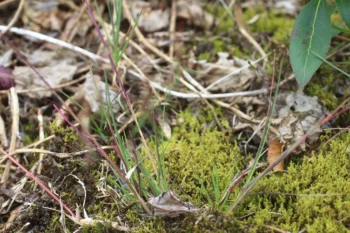
Alpine bluegrass (Poa alpina) is a native perennial grass that forms attractive, low-growing tufts of fine-textured, blue-green foliage. Don’t let its delicate appearance fool you – this little powerhouse is built to survive in harsh conditions that would make other plants wave the white flag. You might also see it listed under its botanical synonyms like Poa vivipara or Poa alpina var. vivipara in older gardening references.
Where Does It Call Home?
This grass is a true North American native with an impressive range. You’ll find alpine bluegrass naturally growing across Alaska, throughout Canada (including Alberta, British Columbia, Manitoba, New Brunswick, Nova Scotia, Ontario, Quebec, Saskatchewan, Yukon, Northwest Territories, and Nunavut), and in many western and northern U.S. states including Colorado, Idaho, Michigan, Montana, Nevada, New Mexico, Oregon, Utah, Washington, and Wyoming. It’s also native to Greenland, making it a true circumpolar species.
- Species observed
- No observations
Why Choose Alpine Bluegrass for Your Garden?
There are several compelling reasons to consider this native grass:
- Extremely hardy: Thrives in USDA zones 2-7, handling both bitter cold and temperature fluctuations
- Low maintenance: Once established, it requires minimal care and can handle drought conditions
- Versatile placement: Works well in both wetland and upland settings, adapting to various moisture levels
- Native plant benefits: Supports local ecosystems and requires less water and fertilizer than non-native alternatives
- Aesthetic appeal: Creates attractive, fine-textured ground cover with delicate seed heads
Perfect Garden Settings
Alpine bluegrass shines in several garden scenarios:
- Rock gardens: Its low-growing habit makes it perfect for tucking between stones
- Alpine and mountain gardens: Naturally suited for high-altitude conditions
- Native plant gardens: An authentic choice for regional native plantings
- Naturalized areas: Great for meadow-style plantings and restoration projects
- Xeriscaping: Excellent drought tolerance once established
Growing Conditions and Care
Alpine bluegrass is refreshingly undemanding:
- Sunlight: Full sun to partial shade
- Soil: Well-draining soils; adaptable to various soil types
- Water: Moderate moisture needs; drought tolerant once established
- Temperature: Prefers cool temperatures; excellent cold tolerance
- Maintenance: Minimal once established
Planting Tips for Success
Getting alpine bluegrass established is straightforward:
- Plant seeds in fall for best germination rates
- Choose a location with good drainage to prevent root rot
- Water regularly during the establishment period, then reduce frequency
- Avoid over-fertilizing – this grass prefers lean conditions
- Be patient – it may take a full season to become fully established
Wildlife and Ecosystem Benefits
As a native grass, alpine bluegrass plays an important role in supporting local wildlife. While it’s wind-pollinated (so it won’t attract bees like flowering plants do), it provides valuable habitat and food sources for various wildlife species in its natural range.
Is Alpine Bluegrass Right for Your Garden?
Alpine bluegrass is an excellent choice if you:
- Live in its native range (zones 2-7)
- Want a low-maintenance, drought-tolerant grass
- Are creating a native plant garden or restoration project
- Need ground cover for challenging sites like rock gardens
- Prefer plants that support local ecosystems
However, gardeners in hot, humid climates or those looking for a traditional lawn grass might want to consider other options, as alpine bluegrass prefers cooler conditions and has a more naturalized appearance.
With its impressive hardiness, low maintenance requirements, and native plant benefits, alpine bluegrass deserves serious consideration for the right garden setting. It’s proof that sometimes the toughest plants can also be some of the most rewarding to grow.