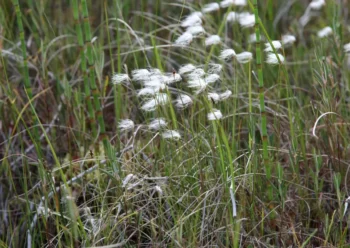
Alpine Bulrush: A Hidden Gem for Wetland Gardens
If you’re looking to add authentic native character to your bog garden or wetland restoration project, alpine bulrush (Trichophorum alpinum) might just be the understated star you’ve been searching for. This unassuming little sedge may not win any flashy flower contests, but it’s got something better: genuine wild credentials and a fascinating story of northern resilience.
Meet the Alpine Bulrush
Alpine bulrush is a perennial sedge that belongs to the graminoid family – those grass-like plants that include sedges, rushes, and their relatives. Don’t let the alpine name fool you; while it does grow in mountainous regions, this adaptable native also thrives in northern wetlands from sea level to high elevations. You might also see it listed under several scientific synonyms, including Eriophorum alpinum or Baeothryon alpinum, depending on which botanical reference you’re consulting.
Where Alpine Bulrush Calls Home
This northern beauty has an impressive native range that spans across Alaska, most of Canada, and extends into the northern United States. You’ll find native populations growing wild in states like:
- Alaska and northwestern Canada (Alberta, British Columbia, Northwest Territories, Yukon)
- Eastern Canada (Manitoba, Ontario, Quebec, New Brunswick, Nova Scotia, Prince Edward Island, Newfoundland and Labrador)
- Northern U.S. states including Maine, New Hampshire, Vermont, Massachusetts, Rhode Island, Connecticut, New York, Michigan, Wisconsin, Minnesota, Montana, and Idaho
- Species observed
- No observations
Why Consider Alpine Bulrush for Your Garden?
Here’s where alpine bulrush really shines: it’s a wetland specialist with obligate wetland status across all regions where it grows. This means it almost always occurs in wetlands naturally, making it perfect for:
- Bog gardens and rain gardens
- Wetland restoration projects
- Native plant collections focusing on northern species
- Areas with consistently wet, poorly-drained soils
While alpine bulrush won’t provide the showy blooms that attract butterflies and bees (it’s wind-pollinated), it does offer authentic habitat value for wildlife that depend on native wetland sedges. Its inconspicuous brown flower spikes and narrow leaves create subtle texture in naturalistic plantings.
Growing Alpine Bulrush Successfully
The key to success with alpine bulrush is understanding its non-negotiable requirement: consistently wet conditions. This isn’t a plant that will forgive occasional drought or adapt to average garden soil.
Ideal Growing Conditions:
- Soil: Wet, acidic, organic-rich soils
- Light: Full sun to partial shade
- Water: Constantly moist to wet conditions
- Climate: Cool, northern climates (USDA zones 2-6)
Planting and Care Tips
Alpine bulrush is definitely a set it and forget it plant – once you get the conditions right, that is. Plant it in spring in areas that stay consistently wet, such as the edges of ponds, in bog gardens, or in low-lying areas that collect water.
The good news? This hardy perennial requires virtually no maintenance once established. It’s adapted to harsh northern conditions and can handle everything from freezing temperatures to seasonal flooding. Just make sure those roots never dry out completely.
Is Alpine Bulrush Right for Your Garden?
Alpine bulrush is perfect if you have consistently wet areas and want to support native plant diversity. However, it’s not the right choice for typical garden beds or areas with average soil moisture. Consider it if you’re working on wetland restoration, have a natural bog area, or are creating specialized habitat gardens.
For most gardeners, alpine bulrush represents the beauty of working with nature rather than against it – finding the right plant for challenging wet spots rather than trying to drain or modify difficult areas. It’s a quiet champion that adds authentic northern character to any wetland garden willing to meet its simple but specific needs.