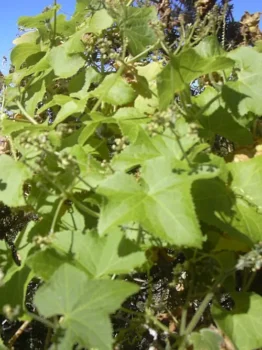
Alpine Bur Cucumber: A Rare Hawaiian Native Worth Protecting
If you’re passionate about Hawaiian native plants and conservation gardening, you may have heard whispers about the elusive alpine bur cucumber. This remarkable climbing vine represents one of Hawaii’s most endangered botanical treasures, making it both a fascinating addition to native gardens and a plant that requires our utmost respect and careful consideration.
What Is Alpine Bur Cucumber?
Alpine bur cucumber (Sicyos macrophyllus) is an annual herbaceous vine native exclusively to Hawaii. Despite its common name suggesting alpine origins, this plant is actually a member of the cucumber family, complete with the characteristic heart-shaped leaves and small, spiny fruits you might expect from its relatives. As an annual forb, it completes its entire life cycle within a single growing season, lacking the woody tissue of shrubs and trees.
Where Does It Grow?
This endemic Hawaiian species calls only the Hawaiian Islands home, where it naturally occurs in the cool, misty environments of montane wet forests and subalpine shrublands. You won’t find this plant growing wild anywhere else in the world, making it a true Hawaiian original.
- Species observed
- No observations
A Plant on the Brink
Here’s what every gardener needs to know: Alpine bur cucumber is critically endangered. With a Global Conservation Status of S1, this species is considered critically imperiled, typically found in five or fewer locations with very few remaining individuals. In the United States, it’s officially listed as Endangered.
This rarity status means that while growing this plant can contribute to conservation efforts, it should only be done with responsibly sourced material from reputable native plant societies or conservation organizations. Never collect seeds or plants from wild populations.
Why Grow Alpine Bur Cucumber?
Despite its endangered status—or perhaps because of it—there are compelling reasons to consider this plant for your Hawaiian native garden:
- Conservation impact: Growing this species helps preserve genetic diversity and supports recovery efforts
- Unique aesthetic: Large, heart-shaped leaves create lush ground cover or climbing displays
- Cultural significance: Supports native Hawaiian ecosystems and cultural landscapes
- Educational value: Demonstrates commitment to preserving rare native species
Growing Conditions and Care
Alpine bur cucumber thrives in conditions that mimic its native montane habitat:
- Climate zones: USDA zones 10-12 (Hawaiian climate conditions)
- Moisture: Consistent moisture without waterlogging
- Light: Partial shade to filtered sunlight
- Temperature: Cool, stable temperatures typical of higher elevations
- Soil: Well-draining but moisture-retentive soil rich in organic matter
Planting and Care Tips
Successfully growing alpine bur cucumber requires attention to its specific needs:
- Plant in areas protected from strong winds and direct afternoon sun
- Provide consistent moisture through drip irrigation or frequent watering
- Mulch around plants to retain soil moisture and regulate temperature
- Allow space for climbing or provide support structures
- Save seeds responsibly to share with other conservation-minded gardeners
Garden Design Role
In the right setting, alpine bur cucumber can serve as an attractive climbing vine or ground cover in native Hawaiian landscapes. Its large leaves create interesting texture contrasts with other native plants, while its climbing habit makes it suitable for covering fences, trellises, or growing over rocks in naturalistic settings.
A Responsible Choice
Growing alpine bur cucumber isn’t just about adding another plant to your garden—it’s about participating in conservation. This rare native deserves our protection and thoughtful cultivation. If you’re interested in growing this species, connect with local native plant societies, botanical gardens, or conservation organizations that can provide responsibly sourced seeds or plants.
Remember, every plant grown helps ensure this unique Hawaiian endemic doesn’t disappear forever. That’s gardening with purpose.