Alpine Buttercup: A Stunning High-Elevation Native for Specialized Gardens
If you’ve ever hiked through the Rocky Mountains in late spring or early summer, you might have been delighted by cheerful yellow flowers dotting the alpine meadows and rocky slopes. Meet the alpine buttercup (Ranunculus adoneus), a true mountain native that brings a burst of sunshine to some of North America’s most challenging growing environments.
What Makes Alpine Buttercup Special?
Alpine buttercup is a native perennial forb that calls the high mountains of the western United States home. This hardy little plant is perfectly adapted to life above the treeline, where harsh winds, intense UV radiation, and dramatic temperature swings would challenge most garden plants. As a true native species, it plays an important ecological role in its mountain habitat.
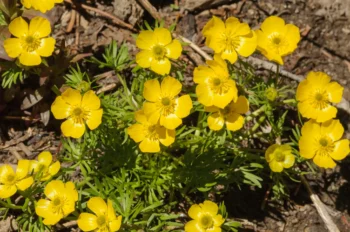
The plant produces gorgeous, glossy yellow flowers that seem to glow against the rocky mountain backdrop. Each bloom features the classic buttercup shape with five shiny petals that almost look like they’ve been polished to perfection.
Where Does It Grow?
You’ll find alpine buttercup naturally growing in Colorado, Idaho, Montana, Nevada, Utah, and Wyoming. It thrives in the high-elevation environments of these mountainous states, typically found in alpine and subalpine zones where few other plants can survive.
- Species observed
- No observations
Is Alpine Buttercup Right for Your Garden?
Here’s where things get interesting – and a bit challenging. Alpine buttercup is what we call a specialist plant, meaning it has very specific growing requirements that can be tough to replicate in typical garden settings.
The Good News:
- Stunning yellow flowers that brighten any space
- Native plant that supports local ecosystems
- Attracts specialized alpine pollinators like small bees and flies
- Extremely cold hardy (USDA zones 3-6)
- Perfect for authentic alpine and rock garden designs
The Challenges:
- Requires excellent drainage and rocky, gravelly soil
- Needs cool summers and cold winters to thrive
- Difficult to establish at lower elevations
- Has facultative wetland status, meaning it usually prefers moist conditions despite needing good drainage
Growing Alpine Buttercup Successfully
If you’re determined to grow this mountain beauty, here’s what you need to know:
Growing Conditions:
- Light: Full sun
- Soil: Well-draining, rocky or gravelly soil that mimics alpine conditions
- Water: Consistent moisture during growing season, but with excellent drainage
- Climate: Cool summers and very cold winters
Planting Tips:
Alpine buttercup is best suited for specialized alpine gardens, rock gardens, or high-elevation native plant landscapes. If you live at lower elevations or in warmer climates, this plant will likely struggle in your garden. Consider it only if you can provide the cool, well-drained conditions it craves.
The plant works beautifully as a ground cover in rock gardens where it can spread naturally among stones and gravel. Its low-growing habit makes it perfect for tucking into crevices and rocky outcroppings.
Wildlife and Pollinator Benefits
In its native habitat, alpine buttercup provides important nectar and pollen for high-elevation pollinators. Small bees, flies, and beetles that have adapted to alpine conditions rely on flowers like these during the brief mountain growing season.
The Bottom Line
Alpine buttercup is a spectacular native plant that’s perfect for the right situation. If you live in a mountainous area, have experience with alpine plants, and can provide the specialized growing conditions this plant needs, it can be a showstopping addition to a rock or alpine garden.
However, if you’re looking for an easy-care native plant for typical garden conditions, you might want to consider other native alternatives that are better suited to lower elevations and more forgiving growing conditions. Sometimes the most beautiful plants are the ones that remind us that not every treasure belongs in every garden – and that’s perfectly okay!