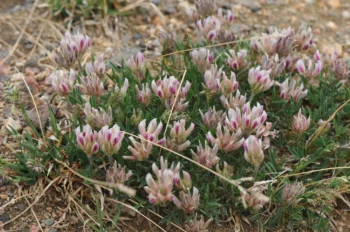
Alpine Clover: A Tough Little Native for High-Altitude Gardens
If you’re looking for a hardy, low-maintenance native plant that can handle tough conditions, alpine clover (Trifolium dasyphyllum) might just be the unsung hero your garden needs. This petite perennial proves that sometimes the smallest plants pack the biggest punch when it comes to resilience and ecological value.
What Is Alpine Clover?
Alpine clover is a native perennial forb that belongs to the legume family. Don’t let its delicate appearance fool you—this little powerhouse is built to survive in some of the harshest conditions nature can dish out. As a forb, it’s an herbaceous plant without woody stems, keeping all its growing points close to or below ground level to survive freezing temperatures and harsh weather.
Where Does Alpine Clover Call Home?
This tough little native has claimed territory across the American West, naturally occurring in Arizona, Colorado, Montana, New Mexico, Utah, and Wyoming. You’ll typically find it thriving in high-elevation areas where many other plants simply can’t cope with the extreme conditions.
- Species observed
- No observations
Why Consider Alpine Clover for Your Garden?
There are several compelling reasons to give this modest native a spot in your landscape:
- True native credentials: As a plant native to the lower 48 states, it supports local ecosystems and wildlife
- Low water needs: Perfect for xeriscaping and water-wise gardening
- Pollinator friendly: Small but mighty flowers attract native bees and other beneficial insects
- Extremely hardy: Built to handle cold temperatures and challenging growing conditions
- Minimal maintenance: Once established, it pretty much takes care of itself
What Does It Look Like?
Alpine clover stays true to its clover heritage with characteristic three-leaflet leaves, though they’re often smaller and more compact than their lowland cousins. The flowers are typically white to pale pink and quite small, clustering together in neat little heads. Don’t expect a showy display—this plant’s beauty lies in its subtle charm and incredible toughness.
Perfect Garden Scenarios
Alpine clover shines in specific garden settings:
- Rock gardens: Its low profile and drought tolerance make it ideal for rocky settings
- Alpine gardens: Naturally suited for high-elevation garden themes
- Native plant gardens: A authentic choice for regional native plantings
- Xeriscaping: Excellent for low-water landscape designs
- Naturalized areas: Perfect for creating low-maintenance natural areas
Growing Conditions and Care
The beauty of alpine clover lies in its simplicity. Here’s what it needs to thrive:
- Sunlight: Full sun to partial shade
- Soil: Well-draining soil is crucial—rocky or sandy soils are ideal
- Water: Low to moderate water needs once established
- Hardiness: Extremely cold hardy, suitable for USDA zones 3-7
- Elevation: Prefers higher elevations but can adapt to various altitudes
Special Considerations
Alpine clover has an interesting relationship with water depending on your region. In the Arid West and Western Mountains regions, it’s classified as Obligate Upland, meaning it almost never occurs in wetland conditions. However, in the Great Plains, it’s Facultative Upland, which means while it usually prefers drier sites, it can occasionally tolerate wetter conditions. The takeaway? Keep drainage in mind when choosing its location.
Planting and Care Tips
Getting alpine clover established is refreshingly straightforward:
- Plant in spring after the last frost
- Ensure excellent drainage—this cannot be overstated
- Start with well-draining, slightly alkaline soil if possible
- Water regularly during establishment, then reduce watering
- Avoid over-fertilizing, as it can make the plant less hardy
- Mulch lightly with gravel or small stones rather than organic mulch
The Bottom Line
Alpine clover may not be the flashiest plant in the garden center, but it’s a solid choice for gardeners who appreciate native plants, want to support local pollinators, and prefer low-maintenance landscapes. If you have well-draining soil and are looking for a tough, drought-tolerant ground cover that stays true to your region’s natural heritage, alpine clover deserves serious consideration. Sometimes the most understated plants turn out to be the most reliable garden companions.