Alpine Clubmoss: The Ancient Ground-Hugger That’s Not Actually Moss
Meet alpine clubmoss (Lycopodium alpinum), one of nature’s most fascinating living fossils that’s been carpeting the earth’s northern regions for millions of years. Despite its name, this isn’t actually a moss at all – it’s a lycopod, an ancient plant that’s more closely related to ferns than to true mosses. Think of it as botanical time travel in your backyard!
What Exactly Is Alpine Clubmoss?
Alpine clubmoss is a perennial evergreen plant that forms low, creeping mats across the ground. It’s classified as a forb herb – essentially a vascular plant without significant woody tissue. What makes lycopods special is that they reproduce using spores rather than flowers or seeds, just like their ancestors did hundreds of millions of years ago.
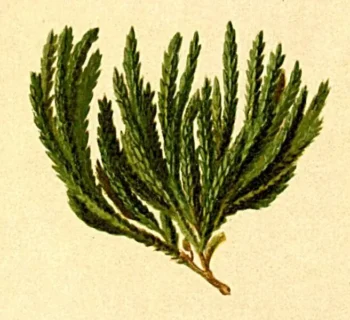
The plant creates distinctive fan-like arrangements of tiny, flattened, scale-like leaves that give it an almost prehistoric appearance. These leaves are arranged in neat rows along creeping stems, creating intricate patterns that look like nature’s own green embroidery.
Where You’ll Find This Northern Beauty
Alpine clubmoss is native to some pretty chilly places! It naturally occurs throughout Alaska, Canada (including Alberta, British Columbia, Quebec, Yukon, Northwest Territories, and Nunavut), Greenland, and even parts of the lower 48 states like Idaho, Montana, and Washington. You’ll also find it in Labrador and Newfoundland.
- Species observed
- No observations
This tough little plant thrives in USDA hardiness zones 1-4, making it one of the most cold-hardy plants you’ll encounter. It’s perfectly at home in arctic and subarctic climates where many other plants simply can’t survive.
Is Alpine Clubmoss Right for Your Garden?
Here’s where we need to have an honest conversation. While alpine clubmoss is absolutely fascinating and native to northern regions, it’s notoriously difficult to grow in typical garden settings. This isn’t a plant you can just pop into any landscape and expect to thrive.
The plant has very specific requirements that are tough to replicate:
- Extremely cool, moist conditions year-round
- Acidic soil with perfect drainage
- High humidity levels
- Specific mycorrhizal fungi relationships in the soil
- Partial shade with filtered light
Alpine clubmoss has varying wetland tolerances depending on region – it can handle both wetland and non-wetland conditions in some areas, while preferring upland sites in others. This adaptability in nature doesn’t necessarily translate to garden success, unfortunately.
The Benefits (When It Works)
If you can somehow manage to establish alpine clubmoss successfully, it offers some unique benefits:
- Year-round evergreen ground cover
- Extremely low maintenance once established
- Fascinating conversation starter and educational tool
- Perfect for specialized alpine or rock gardens
- Connects your garden to ancient plant history
However, it doesn’t provide pollinator benefits since it doesn’t flower, and information about specific wildlife benefits is limited.
How to Identify Alpine Clubmoss
Spotting alpine clubmoss in the wild is easier than growing it at home! Look for these identifying features:
- Low-growing, creeping mats rarely more than a few inches tall
- Flattened, scale-like leaves arranged in fan patterns
- Bright to dark green coloration year-round
- Distinctive branching pattern that creates geometric shapes
- Grows in patches rather than individual plants
- Often found in rocky, mountainous areas or arctic tundra
The Bottom Line
Alpine clubmoss is absolutely worth appreciating and learning about, especially if you’re interested in plant evolution or live in its native northern range. However, for most gardeners, it’s better admired in its natural habitat rather than attempted in cultivation.
If you’re drawn to the idea of ancient, ground-hugging plants in your landscape, consider more garden-friendly alternatives like native sedums, wild gingers, or other regional ground covers that offer similar aesthetic appeal with much better chances of success.
Remember, sometimes the most beautiful plants are the ones we can appreciate in nature while leaving them undisturbed in their perfect natural homes!