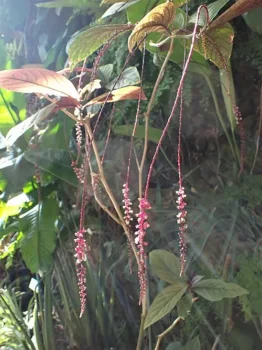
Alpine Clubrush (Trichostigma): A Native Shrub for Southern Gardens
If you’re looking to add native plants to your Florida or Caribbean garden, you might have come across the alpine clubrush, known botanically as Trichostigma. This perennial shrub offers an interesting option for gardeners in warmer climates, though information about this particular species can be surprisingly limited in common gardening resources.
What is Alpine Clubrush?
Alpine clubrush (Trichostigma) is a perennial shrub that’s native to some of the warmest parts of the United States and its territories. Like most shrubs, it’s a multi-stemmed woody plant that typically stays under 13-16 feet tall, though it can occasionally grow taller or develop a single stem depending on environmental conditions.
This native plant has adapted to life in subtropical and tropical climates, making it a potentially valuable addition to gardens in its native range.
Where Does Alpine Clubrush Grow Naturally?
Alpine clubrush is native to a relatively small geographic area that includes Florida, Puerto Rico, and the U.S. Virgin Islands. Its natural distribution suggests it’s well-adapted to warm, humid conditions and can handle the intense sun and occasional storms common to these regions.
- Species observed
- No observations
Should You Plant Alpine Clubrush in Your Garden?
As a native plant, alpine clubrush has several potential advantages for gardeners in its native range:
- It’s naturally adapted to local climate conditions
- It likely requires less water and maintenance than non-native alternatives
- It may provide habitat and food sources for local wildlife
- It supports local ecosystem health
However, there are some considerations to keep in mind. Information about this particular species is limited in common gardening literature, which might make it challenging to find specific growing advice or locate plants at nurseries.
Growing Conditions and Care
While specific growing requirements for alpine clubrush aren’t well-documented in readily available sources, we can make some educated assumptions based on its native habitat:
- Climate: Suited for warm, subtropical to tropical climates (primarily USDA zones found in Florida and the Caribbean)
- Location: Likely prefers full to partial sun, given its shrub growth habit
- Soil: Probably adaptable to various soil types common in its native range
- Water: May be somewhat drought-tolerant once established, typical of many native plants
Landscape Uses
As a perennial shrub, alpine clubrush could potentially serve several roles in the landscape:
- Privacy screening or natural barriers
- Foundation plantings
- Mixed native plant gardens
- Wildlife habitat gardens
Finding and Planting Alpine Clubrush
One challenge you might face is actually finding alpine clubrush at local nurseries. Since it’s not a commonly cultivated garden plant, you may need to:
- Contact native plant societies in Florida, Puerto Rico, or the Virgin Islands
- Look for specialty native plant nurseries
- Connect with botanical gardens or conservation organizations in the region
If you do manage to source this plant, treat it like most other native shrubs: plant it in appropriate soil, water it regularly until established, and then let it adapt to natural rainfall patterns.
The Bottom Line
Alpine clubrush represents an interesting piece of native flora for gardeners in Florida and the Caribbean territories. While the limited availability of detailed growing information might make it challenging for the average gardener, it could be worth exploring for those passionate about native plants and supporting local ecosystems.
If you’re having trouble finding or growing alpine clubrush, consider consulting with local native plant experts or botanical institutions who might have more specific knowledge about this species and its cultivation requirements.