Alpine Draba: A Tiny Arctic Treasure for Cold-Climate Gardens
If you’re gardening in one of the coldest regions of North America and looking for a tough-as-nails ground cover that laughs in the face of brutal winters, meet alpine draba (Draba alpina). This diminutive perennial might be small in stature, but it’s big on resilience and charm.
What Is Alpine Draba?
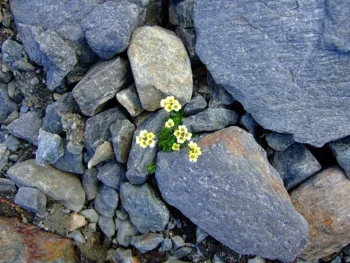
Alpine draba is a native perennial forb that calls the Arctic and subarctic regions of North America home. This hardy little plant forms low, cushion-like mats that rarely exceed 6 inches in height, making it perfect for gardeners who appreciate plants that know how to stay humble while still making an impact.
As a member of the mustard family, alpine draba produces clusters of small, four-petaled white flowers that may be tiny individually but create a lovely carpet effect when blooming together. Don’t let its modest appearance fool you – this plant is built for survival in some of the harshest conditions on the continent.
Where Alpine Draba Calls Home
This cold-weather specialist is native to Alaska, Canada, and Greenland, with populations found across Alberta, British Columbia, Alaska, Manitoba, Ontario, Quebec, Yukon, Northwest Territories, Nunavut, and Labrador. If you live anywhere in these regions, you’re looking at a true native plant that evolved alongside your local ecosystem.
- Species observed
- No observations
Why Grow Alpine Draba (Or Why You Might Not Want To)
Reasons to grow it:
- Extremely cold hardy (thrives in USDA zones 1-4)
- Low maintenance once established
- Native plant supporting local ecosystems
- Perfect for rock gardens and alpine collections
- Provides early season nectar for cold-adapted pollinators
- Forms attractive ground-covering mats
Reasons you might want to skip it:
- Only suitable for very cold climates
- Not tolerant of heat or humidity
- Can be challenging to establish
- Limited availability in nurseries
- Very small flowers may not provide dramatic visual impact
Perfect Garden Spots for Alpine Draba
Alpine draba isn’t your typical perennial border plant. This arctic native shines in:
- Rock gardens with excellent drainage
- Alpine plant collections
- Cold-climate naturalized areas
- Specialty gardens focused on arctic or subarctic flora
- Areas where you want extremely low-growing ground cover
Growing Conditions That Make Alpine Draba Happy
Think arctic tundra and you’ll get the right idea for growing conditions:
- Light: Full sun
- Soil: Well-draining, lean soil (avoid rich, organic soils)
- Moisture: Low to moderate; excellent drainage is crucial
- Temperature: Requires cold winters for proper growth cycle
- USDA Zones: 1-4 (may struggle in zones 5 and above)
Planting and Care Tips
Growing alpine draba successfully requires mimicking its natural arctic habitat:
Getting Started:
- Seeds require cold stratification (several months of cold, moist conditions)
- Plant in spring after cold treatment
- Choose a spot with perfect drainage – soggy soil is a death sentence
- Space plants 4-6 inches apart for ground cover effect
Ongoing Care:
- Water sparingly; this plant prefers to stay on the dry side
- Avoid fertilizing – lean conditions promote better growth
- Remove any weeds that might compete for space
- Protect from excessive heat and humidity
- Allow plants to go dormant naturally in fall
Wildlife and Pollinator Benefits
While alpine draba’s flowers are small, they provide valuable early-season nectar for cold-adapted pollinators including small flies, gnats, and hardy native bees that are active in arctic conditions. The plant’s low growth habit also provides shelter for small arctic insects and spiders.
The Bottom Line
Alpine draba is definitely a specialist plant for specialist gardeners. If you’re gardening in zones 1-4 and love the challenge of growing arctic natives, this tough little ground cover could be a perfect addition to your rock garden or alpine collection. However, if you live in warmer climates or prefer showier flowers, you’ll probably want to look elsewhere for your ground cover needs.
For those lucky enough to garden in alpine draba’s native range, growing this plant is a way to celebrate and support your local ecosystem while enjoying a truly unique and resilient perennial that few gardeners get to experience.