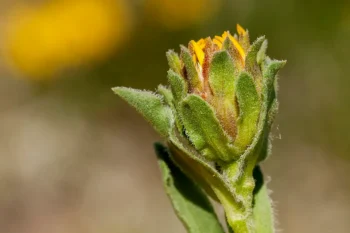
Alpine False Goldenaster: A Hardy Native Wildflower for High-Altitude Gardens
If you’re looking for a tough-as-nails native wildflower that can handle whatever Mother Nature throws at it, meet the alpine false goldenaster (Heterotheca pumila). This little powerhouse might not be the showiest plant in your garden, but what it lacks in drama, it more than makes up for in resilience and charm.
What Is Alpine False Goldenaster?
Alpine false goldenaster is a native perennial forb that calls the high-elevation regions of Colorado, New Mexico, and Wyoming home. As a forb, it’s essentially a non-woody flowering plant that dies back to the ground each winter and returns with vigor each spring. Don’t let the word alpine intimidate you – while this plant thrives in mountainous regions, it’s surprisingly adaptable to lower elevations too.
This native wildflower grows naturally across Colorado, New Mexico, and Wyoming, where it has evolved to handle intense sun, harsh winds, and dramatic temperature swings that would make other plants wave the white flag.
- Species observed
- No observations
Why You’ll Love This Unassuming Beauty
Alpine false goldenaster produces cheerful yellow, daisy-like flowers that may be small, but they pack a punch when it comes to attracting pollinators. Bees and butterflies absolutely adore these sunny blooms, making this plant a valuable addition to any pollinator-friendly garden.
The plant maintains a low, compact growing habit that makes it perfect for rock gardens, alpine plantings, or as a ground cover in challenging spots where other plants might struggle. Its modest size means it won’t overwhelm your space, but it will add consistent color and texture throughout the growing season.
Where Alpine False Goldenaster Shines
This native gem is ideally suited for:
- Rock gardens and alpine plantings
- Xeriscaping and drought-tolerant landscapes
- Native plant gardens
- Challenging slopes or areas with poor soil
- Pollinator gardens
If you’re dealing with a tough spot in your garden where nothing else seems to thrive, alpine false goldenaster might just be your solution.
Growing Conditions and Care
One of the best things about alpine false goldenaster is how little fuss it requires once established. This plant is hardy in USDA zones 3-7, making it suitable for a wide range of climates.
Sunlight: Full sun is essential for this sun-loving native. It needs at least 6-8 hours of direct sunlight daily to perform its best.
Soil: Well-drained soil is absolutely critical. This plant cannot tolerate wet feet and will quickly succumb to root rot in soggy conditions. Poor, rocky, or sandy soils are actually preferred – think of its natural mountain habitat.
Water: Once established, alpine false goldenaster is remarkably drought tolerant. Water regularly during the first growing season to help establish roots, then step back and let nature take over.
Planting and Care Tips
When to Plant: Spring is the ideal time to plant alpine false goldenaster, giving it a full growing season to establish before winter.
Planting: Ensure your planting site has excellent drainage – if water pools after rain, choose a different spot or amend with gravel or sand. Space plants according to their mature size, typically 12-18 inches apart.
Ongoing Care: This is refreshingly low-maintenance once established. Deadheading spent flowers will encourage continued blooming throughout the season. In late fall or early spring, you can cut back the previous year’s growth to make room for new shoots.
Fertilizing: Skip the fertilizer! This native is adapted to lean soils and too much nutrition can actually make it leggy and less attractive.
The Bottom Line
Alpine false goldenaster might not be the flashiest plant at the garden center, but it’s exactly the kind of reliable, low-maintenance native that forms the backbone of successful sustainable gardens. If you’re looking to support local ecosystems, attract pollinators, and add a touch of mountain meadow charm to your landscape – all while barely lifting a finger once it’s established – this unassuming wildflower deserves a spot in your garden.
For gardeners in its native range, alpine false goldenaster represents an opportunity to grow a piece of their local natural heritage while creating habitat for native wildlife. Even if you’re outside its native range, this hardy perennial can still be a valuable addition to challenging garden spots where its resilience truly shines.