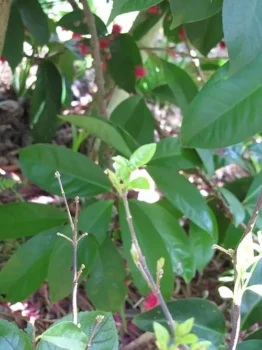
Alpine False Ohelo: Hawaii’s Rare Mountain Treasure
If you’re passionate about Hawaiian native plants and conservation gardening, you may have heard whispers about the alpine false ohelo (Wikstroemia bicornuta). This little-known shrub represents one of Hawaii’s most precious botanical treasures—and one of its most endangered.
What Makes Alpine False Ohelo Special?
The alpine false ohelo is a perennial shrub that’s as rare as it is remarkable. This multi-stemmed woody plant typically stays compact, usually growing less than 13-16 feet tall, though it’s often much smaller in its challenging mountain habitat. Don’t let its modest size fool you—this plant is a true survivor, adapted to some of Hawaii’s most demanding environments.
Unlike many plants that go by multiple common names, alpine false ohelo seems to prefer keeping a low profile. It’s also known scientifically by the synonym Wikstroemia bicornuta Hillebr. ssp. montis-eke Skottsb., but most botanists stick with the simpler Wikstroemia bicornuta.
Where Does It Call Home?
This endemic Hawaiian species is found exclusively in the Hawaiian Islands, where it clings to existence in high-elevation dry forests and shrublands. It’s perfectly adapted to Hawaii’s unique volcanic soils and mountain climate conditions.
- Species observed
- No observations
The Reality Check: Why You Should Think Twice
Here’s where we need to have a serious conversation. Alpine false ohelo carries a Global Conservation Status of S1, meaning it’s critically imperiled. With typically 5 or fewer occurrences and fewer than 1,000 individuals remaining in the wild, this plant is dancing dangerously close to extinction.
What does this mean for gardeners? If you’re considering adding this species to your landscape, you absolutely must ensure any plant material comes from responsible, legal sources—preferably from established conservation programs or botanical institutions. Never, ever collect from wild populations.
Growing Conditions and Care
Should you have the opportunity to grow alpine false ohelo through proper conservation channels, here’s what this mountain dweller needs:
- Climate: USDA Hardiness Zones 10-12 only—this is strictly a tropical/subtropical plant
- Soil: Excellent drainage is absolutely critical; it evolved in volcanic soils that don’t hold water
- Water: Moderate to low water needs—it’s surprisingly drought-tolerant once established
- Light: Prefers full sun to partial shade
- Soil pH: Adaptable to various pH levels, as long as drainage is excellent
Wetland Flexibility
Interestingly, alpine false ohelo has a facultative wetland status, meaning it can handle both wet and dry conditions. However, don’t interpret this as loving soggy feet—in cultivation, err on the side of drier conditions to prevent root rot.
Landscape Role and Design Ideas
If you’re lucky enough to grow this rare beauty, it works best in:
- Native Hawaiian plant collections
- Conservation gardens
- Xeriscaping projects
- Botanical display gardens
- Educational landscapes highlighting endangered species
Its compact shrub form makes it suitable for smaller spaces, and its rarity makes it an excellent conversation starter about Hawaiian plant conservation.
Wildlife and Pollinator Benefits
While specific data on alpine false ohelo’s wildlife benefits is limited, most native Hawaiian plants provide some value to local ecosystems. Native shrubs typically support indigenous insects, which in turn support native birds and other wildlife. By growing rare native plants, you’re contributing to the preservation of Hawaii’s unique ecological relationships.
The Bottom Line
Alpine false ohelo isn’t a plant for casual gardeners—it’s a conservation responsibility. If you’re passionate about Hawaiian native plants and committed to conservation, and you can source it responsibly, this rare shrub offers a unique opportunity to participate in preserving Hawaii’s botanical heritage.
However, for most gardeners interested in native Hawaiian plants, consider more common native alternatives that won’t put additional pressure on endangered populations. Every plant in your garden should tell a story, and sometimes the best story is one of conservation and respect for nature’s rarest treasures.
Remember: with great rarity comes great responsibility. If you choose to grow alpine false ohelo, you’re not just gardening—you’re participating in conservation.