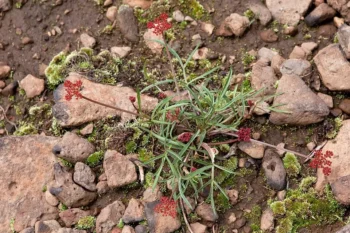
Alpine False Springparsley: A Delicate Mountain Beauty for Your Garden
If you’ve ever hiked through the high country of the American West and spotted delicate, lacy white flowers dancing in the mountain breeze, you might have encountered alpine false springparsley (Pseudocymopterus montanus). This charming native perennial brings a touch of alpine elegance to gardens, though it comes with its own set of personality quirks that every gardener should know about.
Meet This Mountain Native
Alpine false springparsley is a true western native, calling home to seven states across the American West: Arizona, Colorado, Nevada, New Mexico, Texas, Utah, and Wyoming. As a member of the carrot family, it sports the characteristic umbrella-shaped flower clusters (called umbels) that make these plants so recognizable. Don’t let the parsley in its name fool you though – this isn’t something you want to toss in your pasta sauce!
This herbaceous perennial is what botanists call a forb – essentially a fancy way of saying it’s a soft-stemmed flowering plant that dies back to the ground each winter and returns from its roots each spring.
- Species observed
- No observations
What Makes It Special
Alpine false springparsley brings several appealing qualities to the garden:
- Delicate, fern-like foliage that adds texture to plantings
- Small white to yellowish flowers that bloom in umbrella-shaped clusters
- Low-growing habit perfect for rock gardens and alpine settings
- Excellent drought tolerance once established
- Cold hardy nature that can handle harsh winter conditions
- Attracts small native pollinators like bees and beneficial flies
Where It Fits in Your Landscape
This mountain dweller isn’t your typical suburban garden plant, but it shines in the right setting. Alpine false springparsley works beautifully in:
- Rock gardens where its delicate texture contrasts nicely with stone
- Alpine and mountain-themed gardens
- Native plant gardens celebrating western flora
- Xeriscaped areas that prioritize water conservation
- Areas where you want a naturalized, wildflower appearance
Growing Conditions and Care
Here’s where alpine false springparsley shows its mountain personality – it can be a bit particular about its growing conditions. This plant thrives in USDA hardiness zones 3-7, making it suitable for areas with cold winters.
Soil Requirements: The absolute must-have for this plant is excellent drainage. Think rocky, gravelly, or sandy soils that don’t hold water. Heavy clay or constantly moist conditions are a definite no-go.
Light Needs: Full sun to partial shade works well, though it generally prefers bright conditions similar to its natural alpine habitat.
Water Needs: Once established, this plant is quite drought tolerant and actually prefers drier conditions. Overwatering is more likely to harm it than help it.
Temperature Preferences: Being an alpine native, it actually prefers cooler temperatures and may struggle in hot, humid climates or areas with intense summer heat.
Planting and Care Tips
Growing alpine false springparsley successfully requires mimicking its natural mountain environment:
- Plant in spring or early fall when temperatures are moderate
- Amend heavy soils with plenty of gravel, coarse sand, or pumice to improve drainage
- Choose a location with good air circulation
- Water sparingly – only during extended dry periods in the first year
- Avoid fertilizing, as this plant prefers lean soils
- Mulch with gravel or small stones rather than organic mulch
- Allow plants to go dormant naturally in winter
Is This Plant Right for You?
Alpine false springparsley isn’t the easiest plant to grow, and it’s definitely not for every garden situation. Consider this plant if you:
- Live in a cooler climate within its hardiness range
- Have well-draining or naturally rocky soil
- Enjoy the challenge of growing specialized native plants
- Are creating an alpine or rock garden theme
- Want to support native pollinators with indigenous plants
However, you might want to skip this one if you:
- Live in a hot, humid climate
- Have heavy clay soil that you can’t easily amend
- Prefer low-maintenance plants that adapt to various conditions
- Are looking for showy, long-blooming flowers
- Want something that grows quickly to fill space
Supporting Native Ecosystems
While alpine false springparsley might be finicky in cultivation, it plays an important role in its native mountain ecosystems. The small flowers provide nectar for native bees, flies, and other small pollinators that are specially adapted to high-elevation environments. By growing native plants like this one, you’re creating habitat connections that support local biodiversity.
The Bottom Line
Alpine false springparsley is a plant for the patient gardener who appreciates subtle beauty and wants to try their hand at growing challenging natives. It’s not going to give you instant gratification or bold garden drama, but it offers the quiet satisfaction of successfully cultivating a piece of the American alpine landscape. If you’re up for the challenge and have the right conditions, this delicate mountain beauty might just find a perfect home in your garden.