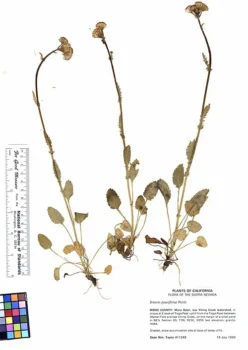
Alpine Groundsel: A Hardy Native for Mountain-Style Gardens
If you’re looking to bring a touch of high-altitude charm to your garden, alpine groundsel (Packera pauciflora) might just be the perfect plant for you. This tough little native perennial knows how to survive in some pretty challenging conditions, making it an excellent choice for gardeners who want low-maintenance beauty with a wild, natural look.
What Is Alpine Groundsel?
Alpine groundsel is a native North American perennial forb that belongs to the sunflower family. Unlike woody shrubs or trees, this herbaceous plant lacks significant woody tissue and dies back to ground level each winter, emerging fresh each spring from buds at or below the soil surface. You might also see it listed under its old scientific names, Senecio discoideus or Senecio pauciflorus, but Packera pauciflora is the current accepted name.
Where Does It Call Home?
This hardy native has quite an impressive range across North America. You’ll find alpine groundsel growing naturally throughout much of Canada and Alaska, as well as across many western and northern U.S. states including California, Colorado, Idaho, Michigan, Minnesota, Montana, Nevada, Washington, and Wyoming. It’s truly a plant that knows how to handle diverse climates and conditions.
- Species observed
- No observations
Why Gardeners Love Alpine Groundsel
There are several compelling reasons to consider adding this native beauty to your landscape:
- Pollinator magnet: The cheerful yellow daisy-like flowers attract native bees, beneficial flies, and other small pollinators during the summer blooming season
- Low maintenance: Once established, this tough plant requires minimal care and can handle challenging conditions
- Native plant benefits: Supporting local ecosystems while requiring fewer resources than non-native alternatives
- Versatile placement: Can handle both wetland and upland conditions, making it adaptable to various garden situations
- Compact growth: Forms attractive low rosettes that work well as ground cover or accent plants
Perfect Garden Settings
Alpine groundsel shines brightest in certain types of gardens and landscapes. It’s absolutely perfect for rock gardens, where its compact form and mountain heritage make it right at home among stones and gravel. Alpine and xerophytic gardens are other natural fits, as this plant thrives in well-draining conditions that mimic its native mountain habitats.
Consider using alpine groundsel as a ground cover in naturalistic landscapes, or as an accent plant in areas where you want to create that authentic mountain meadow feel. It works beautifully in gardens designed to attract native wildlife and pollinators.
Growing Conditions and Care
The good news for gardeners in USDA hardiness zones 3-7 is that alpine groundsel is remarkably adaptable. Here’s what this mountain native prefers:
- Sunlight: Full sun to partial shade
- Soil: Well-draining soil is absolutely essential – this plant won’t tolerate soggy conditions
- Water: Low to moderate water needs once established
- Temperature: Thrives in cooler conditions and handles frost well
Planting and Care Tips
Success with alpine groundsel starts with proper planting. Spring is the ideal time to get your plants established. The most critical factor is drainage – if your soil tends to stay wet, consider creating raised beds or adding plenty of coarse sand and gravel to improve drainage.
A gravel mulch around the plants not only looks attractive but also helps with drainage and keeps the crown of the plant from staying too moist. Once established, these plants are quite drought-tolerant, so avoid the temptation to overwater. In fact, too much water is one of the few things that can kill this otherwise bulletproof plant.
The Bottom Line
Alpine groundsel offers gardeners a wonderful opportunity to grow a truly native plant that’s both beautiful and beneficial. Its cheerful summer flowers, low-maintenance nature, and ability to thrive in challenging conditions make it an excellent choice for rock gardens, alpine collections, and naturalistic landscapes. Plus, you’ll be supporting local pollinators and wildlife while creating a garden that reflects the natural beauty of North America’s mountain regions.
If you’re ready to embrace the rugged charm of alpine gardening, alpine groundsel deserves a spot on your must-grow list. Just remember that good drainage and a hands-off approach to watering are the keys to success with this mountain beauty.