Alpine Hairgrass: A Rare Hawaiian Native Worth Protecting
If you’re passionate about native Hawaiian plants and have ever ventured into the misty highlands of the islands, you might have encountered the delicate beauty of alpine hairgrass. This enchanting native grass brings an ethereal quality to gardens while playing a crucial role in Hawaii’s unique mountain ecosystems.
Meet the Alpine Hairgrass
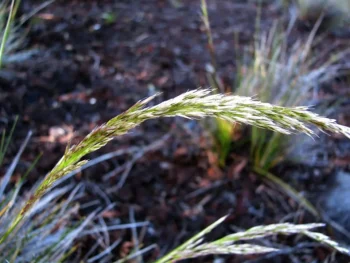
Alpine hairgrass (Deschampsia nubigena) is a perennial grass that’s as special as it is beautiful. As a true Hawaiian endemic, this graminoid species has evolved specifically in the island’s high-elevation environments, making it a living piece of Hawaii’s natural heritage. The plant forms elegant, fine-textured clumps that sway gracefully in mountain breezes, creating movement and visual interest wherever it grows.
Where You’ll Find It Growing Wild
This remarkable grass is found exclusively in Hawaii, where it thrives in the cool, misty conditions of high-elevation bogs and wetlands. It’s perfectly adapted to the unique climate conditions found in Hawaii’s mountain regions, where temperatures are cooler and moisture levels remain consistently high.
- Species observed
- No observations
A Conservation Concern
Here’s something important every gardener should know: alpine hairgrass has a Global Conservation Status of S3, meaning it’s considered vulnerable. This classification indicates that the species is at risk due to its limited range and small population numbers. If you’re interested in growing this beautiful native, it’s essential to source your plants responsibly from reputable native plant nurseries that propagate rather than collect from wild populations.
Why Consider Alpine Hairgrass for Your Garden?
Despite its conservation concerns—or perhaps because of them—alpine hairgrass offers unique benefits for the right gardener:
- Supports Hawaii’s native ecosystem and biodiversity
- Provides fine texture and movement in landscape design
- Perfect for naturalistic and bog garden settings
- Adds authentic Hawaiian character to native plant gardens
- Helps preserve a vulnerable species through cultivation
Growing Conditions and Care
Alpine hairgrass isn’t your typical lawn grass—it has very specific needs that reflect its mountain bog origins. This plant thrives in consistently moist to wet soils and prefers the cooler temperatures found at higher elevations. It has a facultative wetland status, meaning it can handle both wetland and slightly drier conditions, though it clearly prefers the moist side of that spectrum.
For successful cultivation, you’ll need to recreate those misty mountain conditions as closely as possible. This means providing consistent moisture, good drainage (think bog conditions rather than standing water), and protection from intense heat and direct sunlight.
Best Garden Settings
Alpine hairgrass works beautifully in:
- Native Hawaiian plant collections
- Bog gardens and water features
- Cool, shaded naturalistic landscapes
- Conservation gardens focused on rare species
- High-elevation gardens where conditions match its preferences
Planting and Maintenance Tips
Successfully growing alpine hairgrass requires attention to detail and patience. Plant it in a location that stays consistently moist but drains well—think of a natural mountain seep. The soil should be rich in organic matter, similar to the peaty conditions of its native bog habitats.
Regular watering is essential, especially during drier periods. However, avoid letting the plant sit in stagnant water. Mulching around the base can help retain moisture and keep the root zone cool, mimicking its natural growing conditions.
A Plant Worth Protecting
Alpine hairgrass represents more than just another ornamental grass—it’s a living connection to Hawaii’s unique evolutionary story. By choosing to grow this vulnerable species with responsibly sourced plants, gardeners can play a role in conservation while enjoying its delicate beauty.
Remember, successful cultivation of rare natives like alpine hairgrass often requires patience and experimentation. Don’t be discouraged if it takes time to find the right conditions in your garden. The reward of successfully growing and helping preserve this special Hawaiian endemic makes the effort worthwhile.
Whether you’re creating a native Hawaiian garden or simply want to support biodiversity, alpine hairgrass offers a meaningful way to connect with Hawaii’s natural heritage while contributing to the preservation of its unique flora.