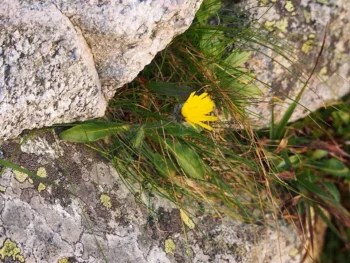
Alpine Hawkweed: A Rare Arctic Treasure for Specialized Gardens
If you’ve ever dreamed of bringing a piece of the Arctic tundra to your garden, alpine hawkweed (Hieracium alpinum) might catch your eye. But before you start planning, there’s quite a bit you should know about this remarkably rare and specialized little plant.
What Is Alpine Hawkweed?
Alpine hawkweed is a small perennial forb that’s as tough as it is uncommon. This herbaceous plant forms low rosettes of leaves and produces cheerful yellow flowers that look remarkably similar to tiny dandelions. Don’t let that comparison fool you though – this plant is in an entirely different league when it comes to rarity and growing requirements.
Also known by its botanical synonym Hieracium angmagssalikense, this little survivor has adapted to some of the harshest conditions on Earth.
Where Does It Come From?
Alpine hawkweed is native to the Arctic regions, including Greenland, northern Canada, and parts of northern Scandinavia. It’s a true child of the tundra, thriving in places where most plants simply can’t survive. The plant has evolved to handle extreme cold, short growing seasons, and the unique conditions of Arctic environments.
A Word of Caution: This Plant Is Extremely Rare
Here’s where things get serious. Alpine hawkweed has a Global Conservation Status of S2, which means it’s considered Imperiled. In plain English, this means there are typically only 6 to 20 known occurrences of this plant in the wild, with perhaps only 1,000 to 3,000 individual plants remaining globally.
This rarity status means that if you’re determined to grow alpine hawkweed, you absolutely must source it responsibly. Never collect plants from the wild, and only purchase from reputable nurseries that can verify their plants come from ethically propagated stock.
Should You Try Growing Alpine Hawkweed?
Let’s be honest – alpine hawkweed isn’t for everyone. In fact, it’s not for most gardeners. This plant is incredibly challenging to grow outside of its native Arctic conditions. Here’s what you’re up against:
- It requires extremely cold winters (USDA zones 1-4)
- It needs a period of cold stratification to germinate
- It prefers full sun and extremely well-drained soil
- It has adapted to short Arctic growing seasons
- It may go dormant or struggle in areas with warm summers
If You’re Up for the Challenge
For specialized alpine or rock garden enthusiasts in very cold climates, alpine hawkweed can be a fascinating addition. The plant works well in:
- Alpine rock gardens
- Specialized Arctic plant collections
- Cold frame or alpine house cultivation
- Research or educational gardens focusing on rare plants
Growing Conditions and Care
If you’re in zones 1-4 and want to attempt growing alpine hawkweed, here’s what it needs:
Light: Full sun is essential
Soil: Extremely well-drained, lean soil that mimics tundra conditions
Water: Minimal watering once established; avoid wet conditions
Temperature: Requires cold winters and cool summers
Special requirements: Seeds need cold stratification, and plants benefit from winter protection in the form of snow cover or mulch
Wildlife and Pollinator Benefits
In its native range, alpine hawkweed provides nectar for Arctic pollinators, including small flies, bees, and other cold-adapted insects. The small yellow flowers, while modest, are an important food source in environments where blooming plants are scarce.
The Bottom Line
Alpine hawkweed is more of a collector’s plant than a typical garden addition. Its extreme rarity means it should be approached with respect and caution. Unless you’re in a very cold climate (zones 1-4) and have experience with challenging alpine plants, you might want to admire this species from afar.
If you’re interested in hawkweeds for your garden, consider looking into more common and garden-friendly native alternatives that are appropriate for your region. Your local native plant society can help you find species that will thrive in your area while supporting local ecosystems.
For those brave enough to attempt growing this Arctic rarity, remember: source responsibly, be patient, and prepare for a true gardening challenge that connects you to one of Earth’s most extreme environments.