Alpine Lady Fern: A Hardy Native for Cool, Shady Spots
If you’re looking for a tough, elegant fern that can handle some serious cold and still look fabulous, meet the alpine lady fern (Athyrium americanum). This resilient native beauty might just be the perfect solution for those tricky shady corners where other plants fear to tread.
What Makes Alpine Lady Fern Special?
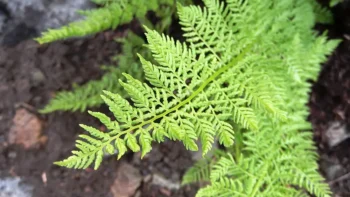
Alpine lady fern is a perennial fern that’s as hardy as it is graceful. With its finely divided, lacy fronds that dance in the slightest breeze, this native charmer brings an almost ethereal quality to gardens. The bright green foliage often takes on golden tones as the season progresses, adding unexpected warmth to cool, shaded areas.
Don’t let the delicate appearance fool you – this fern is built for tough conditions. Native to the high-elevation regions across North America, it’s adapted to handle everything from frigid mountain winters to challenging growing conditions that would make other plants wilt.
Where Does Alpine Lady Fern Call Home?
This remarkable fern has one of the most impressive native ranges you’ll find. It’s naturally found across Alaska, Canada, Greenland, and throughout many of the lower 48 states, including Alberta, British Columbia, California, Colorado, Quebec, Yukon, Idaho, Montana, Nevada, Oregon, Utah, Washington, Wyoming, Labrador, and Newfoundland. Talk about a well-traveled plant!
- Species observed
- No observations
Why Plant Alpine Lady Fern in Your Garden?
Here are some compelling reasons to give this native fern a spot in your landscape:
- Incredibly hardy: Thrives in USDA zones 2-7, making it suitable for even the coldest climates
- Native plant benefits: Supports local ecosystems and requires less maintenance once established
- Versatile moisture tolerance: Listed as facultative for wetland status, meaning it can handle both moist and drier conditions
- Low maintenance: Once established, it’s quite self-sufficient
- Unique texture: Adds fine, delicate texture that contrasts beautifully with broader-leaved plants
Perfect Garden Settings
Alpine lady fern shines in several garden styles:
- Woodland gardens: Natural choice for shaded forest-like settings
- Rock gardens: Excellent for tucking between boulders and stone features
- Alpine gardens: Right at home with other high-elevation natives
- Shade borders: Provides soft texture along pathways or as understory planting
Growing Conditions and Care
Getting alpine lady fern happy in your garden is refreshingly straightforward:
Light: Partial to full shade works best. This isn’t a sun-lover, so save your sunny spots for other plants.
Soil: Moist but well-draining soil is ideal. It’s not too picky about soil type, but good drainage prevents root rot.
Water: Keep consistently moist, especially during establishment. Once settled in, it’s fairly drought-tolerant for a fern.
Temperature: This cold-hardy champion can handle temperatures well below freezing and thrives in cool conditions.
Planting and Care Tips
Here’s how to set your alpine lady fern up for success:
- Best planting time: Spring, after the last frost
- Spacing: Allow adequate room for the fronds to spread and show off their graceful form
- Mulching: A light layer of organic mulch helps retain moisture and provides winter protection
- Fertilizing: Generally unnecessary – this fern is adapted to lean mountain soils
- Division: Divide clumps every 3-4 years in early spring to maintain vigor
- Winter care: In colder zones, leave old fronds for winter protection and cut back in early spring
A Few Things to Keep in Mind
While alpine lady fern doesn’t produce showy flowers for pollinators (being a fern and all), it does contribute to the overall ecosystem by providing habitat structure and supporting the complex web of garden life. Its presence can help create the kind of layered, naturalistic garden that benefits countless small creatures.
The main limitation? This isn’t a fern for hot, humid climates or intense sun exposure. It’s specifically adapted to cooler, mountain-like conditions, so gardeners in warmer zones might want to look for other native fern options.
The Bottom Line
Alpine lady fern is an outstanding choice for gardeners dealing with challenging shade conditions, especially in cooler climates. It’s a native plant that asks for very little while delivering graceful beauty and rock-solid reliability. If you’ve got a shady spot that needs some delicate texture and you live in zones 2-7, this hardy native might just become your new favorite fern.
Plus, there’s something deeply satisfying about growing a plant that’s perfectly at home in some of the most rugged landscapes on the continent – right in your own backyard.