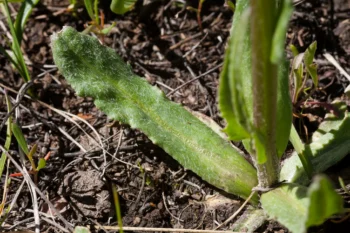
Alpine Lewisia: A Tiny Mountain Gem for Your Rock Garden
If you’ve ever wondered what those impossibly cute little flowers clinging to mountain rocks are, you might just be looking at Alpine Lewisia (Lewisia pygmaea). This diminutive native perennial proves that good things really do come in small packages, bringing a touch of high-altitude magic to specialized garden spaces.
What Makes Alpine Lewisia Special?
Alpine Lewisia is a true native gem, naturally occurring across an impressive range from Alaska down through the western United States to New Mexico, including parts of Canada. You’ll find this hardy little forb growing wild in states like California, Colorado, Idaho, Montana, Nevada, Oregon, Utah, Washington, and Wyoming – basically anywhere the mountains get serious about being mountains.
- Species observed
- No observations
This petite perennial forms tight rosettes of succulent-like leaves that hug the ground, sending up delicate pink to white flowers that are about half an inch across. The blooms typically appear in late spring to early summer, creating charming little bouquets that seem almost too perfect to be real.
Why Your Garden Might Love Alpine Lewisia
Here’s where Alpine Lewisia gets interesting – it’s not your typical garden-center plant. This little beauty thrives in conditions that would make most plants throw in the towel:
- Excellent drainage is absolutely non-negotiable
- Rocky, sandy soils are preferred over rich garden loam
- Once established, it actually prefers to stay on the dry side
- Cool, dry summers are ideal (think mountain conditions)
- Hardy in USDA zones 3-7
According to wetland classifications, Alpine Lewisia is considered Facultative Upland, meaning it usually grows in non-wetland areas but can occasionally tolerate wetter conditions – though in gardens, dry is definitely the way to go.
Perfect Garden Situations for Alpine Lewisia
This isn’t a plant for every garden, but in the right spot, it’s absolutely magical:
- Rock gardens: Its natural habitat makes it perfect for tucking into crevices
- Alpine gardens: Obviously! It brings authentic mountain charm
- Xeriscapes: Drought tolerance makes it ideal for water-wise landscapes
- Container gardens: Excellent drainage control in pots
- Specialty collections: A must-have for native plant enthusiasts
Wildlife and Pollinator Benefits
Don’t let its small size fool you – Alpine Lewisia pulls its weight in supporting local ecosystems. The nectar-rich flowers attract small native bees and butterflies, making it a valuable addition to pollinator-friendly gardens. Its native status means it has co-evolved with local wildlife, providing benefits that non-native plants simply can’t match.
Growing Alpine Lewisia Successfully
Ready to try your hand at growing this mountain treasure? Here’s how to keep Alpine Lewisia happy:
Planting Tips
- Plant in spring or fall when temperatures are moderate
- Choose a location with excellent drainage – this cannot be stressed enough!
- Full sun to partial shade works well
- Amend heavy soils with coarse sand or gravel
Care and Maintenance
- Water sparingly – overwatering is the quickest way to lose this plant
- Mulch with gravel rather than organic materials
- Protect from excessive winter moisture if you live in a wet climate
- Generally pest and disease-free when grown in proper conditions
Is Alpine Lewisia Right for Your Garden?
Alpine Lewisia is definitely a specialist plant. If you have heavy clay soil, love to water frequently, or prefer big, showy flowers, this probably isn’t your plant. But if you’re excited about creating authentic native habitats, love the challenge of growing mountain plants, or want to add something truly special to your rock garden, Alpine Lewisia could be your new favorite.
The key is understanding that this plant wants to live like it’s still on a mountainside – excellent drainage, minimal fuss, and respect for its natural growing cycle. Give it those conditions, and you’ll be rewarded with one of the most charming native wildflowers you can grow.
Remember, growing native plants like Alpine Lewisia isn’t just about having a pretty garden – it’s about supporting local ecosystems and preserving the natural heritage of your region. Every native plant you grow is a small act of conservation, and Alpine Lewisia, with its wide natural range and specialized charm, is a particularly rewarding way to connect your garden to the wild places of the West.