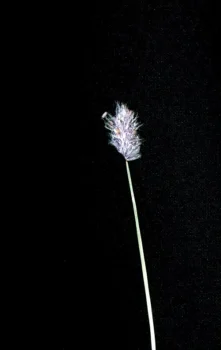
Alpine Meadow-Foxtail: A Hardy Native Grass for Wetland Gardens
If you’re looking for a tough, no-nonsense native grass that can handle wet feet and frigid temperatures, Alpine Meadow-Foxtail (Alopecurus magellanicus) might just be your new best friend. This unassuming perennial grass has been quietly thriving in some of North America’s most challenging environments for thousands of years, and it’s ready to bring that same resilience to your garden.
Where Does Alpine Meadow-Foxtail Call Home?
This hardy grass is a true North American native with an impressive range that spans from the Arctic to the Rocky Mountains. You’ll find Alpine Meadow-Foxtail naturally growing across Alaska, most of Canada (including Alberta, British Columbia, Manitoba, Ontario, Quebec, Saskatchewan, Yukon, Northwest Territories, Nunavut, and Labrador), and several western U.S. states including Colorado, Idaho, Montana, Utah, and Wyoming. It’s even found in Greenland, making it a truly circumpolar species.
- Species observed
- No observations
What Makes This Grass Special?
Don’t expect Alpine Meadow-Foxtail to be the showstopper of your garden – this grass is more about substance than flash. Here’s what you can expect:
- Size: A modest half-foot tall when mature, making it perfect for low-growing ground cover
- Growth habit: Semi-erect with a rhizomatous growth form, meaning it spreads slowly underground
- Appearance: Green foliage with small white flowers that bloom in mid-spring (though they’re not particularly showy)
- Texture: Coarse-textured leaves that become porous in winter
- Growth rate: Moderate, with a relatively short lifespan for a perennial grass
The Perfect Spot for Alpine Meadow-Foxtail
This isn’t your typical lawn grass – Alpine Meadow-Foxtail has some very specific preferences that make it ideal for particular garden situations:
Wetland Warrior: This grass is classified as Facultative Wetland across its range, meaning it usually grows in wetlands but can tolerate some drier conditions. If you have a boggy area, pond edge, or consistently moist spot in your garden, this could be perfect.
Cold Climate Champion: With a minimum temperature tolerance of -33°F, this grass laughs in the face of harsh winters. It’s ideal for USDA hardiness zones 1-4, making it perfect for gardeners in the coldest regions.
Soil Preferences: Alpine Meadow-Foxtail adapts well to fine and medium-textured soils but struggles in coarse, sandy conditions. It prefers slightly acidic to neutral soils (pH 5.0-7.5) and has high moisture requirements.
Where Alpine Meadow-Foxtail Shines in Your Landscape
This native grass works best in:
- Wetland restoration projects
- Rain gardens and bioswales
- Naturalistic prairie or meadow plantings
- Alpine or rock gardens with consistent moisture
- Erosion control on wet slopes
- Wildlife habitat gardens in cold climates
Growing Alpine Meadow-Foxtail Successfully
Starting from Seed: This grass is typically propagated by seed, with about 600,000 seeds per pound. Seeds have medium vigor and moderate spread rate, though the plant itself spreads vegetatively quite slowly.
Site Preparation: Choose a location with consistent moisture and protection from hot, dry conditions. This grass has low drought tolerance, so reliable water is essential.
Care Requirements:
- High moisture needs – don’t let it dry out
- Medium fertility requirements
- Intermediate shade tolerance, though it prefers full sun to partial shade
- No fire tolerance – keep away from areas prone to burning
- Minimum 120 frost-free days for optimal growth
Should You Plant Alpine Meadow-Foxtail?
Plant it if you have:
- Consistently wet or boggy areas in your landscape
- A very cold climate (zones 1-4)
- Interest in native plant gardening
- Need for erosion control in wet areas
Skip it if you have:
- Dry garden conditions
- Sandy soils
- Warmer climates (zone 5 and above)
- Expectations for showy flowers or dramatic visual impact
A Note on Availability: Unfortunately, Alpine Meadow-Foxtail has no known commercial sources currently available, making it a challenging plant to acquire. You might have luck contacting native plant societies or seed exchanges in areas where it grows naturally.
While Alpine Meadow-Foxtail might not win any beauty contests, it’s a champion of resilience and adaptation. For the right garden situation – cold, wet, and wild – this native grass can provide years of dependable ground cover while supporting the ecosystem that has depended on it for millennia.