Alpine Meadow-Rue: A Delicate Native Beauty for Cool Climate Gardens
If you’re looking for a petite native perennial that brings understated elegance to your garden, alpine meadow-rue (Thalictrum alpinum) might just be the perfect addition to your plant palette. This charming little forb proves that good things really do come in small packages!
What is Alpine Meadow-Rue?
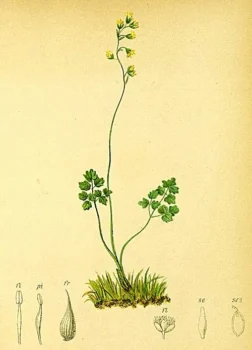
Alpine meadow-rue is a delicate perennial herb that typically grows just 2-8 inches tall – making it one of the more diminutive members of the buttercup family. Don’t let its small stature fool you though; this tough little plant is built for harsh mountain conditions and brings a refined beauty to any garden setting.
As a native species, alpine meadow-rue has an impressive range across North America. You’ll find this hardy perennial growing naturally from Alaska down through the western mountains, across parts of the Great Plains, and into northeastern regions including Labrador and Newfoundland.
- Species observed
- No observations
Why Grow Alpine Meadow-Rue?
There are several compelling reasons to consider adding this native beauty to your landscape:
- Native plant benefits: Supporting local ecosystems while requiring less water and maintenance than non-native alternatives
- Unique texture: The finely divided, blue-green foliage adds delicate texture contrast to garden compositions
- Pollinator support: Small white or greenish flowers attract beneficial insects like tiny flies and beetles
- Cold hardy: Thrives in USDA zones 2-6, making it perfect for northern and mountain gardens
- Low maintenance: Once established, this perennial requires minimal care
Perfect Garden Settings
Alpine meadow-rue shines brightest in specialized garden settings that mimic its natural mountain habitat:
- Rock gardens: Its small size and delicate appearance complement rocky, well-draining environments
- Alpine gardens: A natural choice for high-altitude garden themes
- Naturalized wildflower areas: Blends beautifully with other native mountain flora
- Cool climate perennial borders: Provides fine-textured foreground interest
Growing Conditions and Care
Success with alpine meadow-rue comes down to understanding its mountain origins. This plant appreciates:
- Soil: Well-draining, cool soil with neutral to slightly alkaline pH
- Moisture: Consistent moisture without waterlogged conditions – think mountain stream edges
- Light: Partial shade to full sun in cooler climates
- Temperature: Cool conditions; struggles in hot, humid climates
Special Considerations
Alpine meadow-rue has an interesting relationship with water that varies by region. In Alaska, it’s equally comfortable in wet and dry sites, while in western regions it typically prefers wetter conditions. This flexibility makes it suitable for both regular garden beds and areas with seasonal moisture variation.
The plant’s small stature means it can easily get lost among larger perennials, so consider grouping several together or placing them where their delicate beauty can be appreciated up close.
Planting and Propagation Tips
Growing alpine meadow-rue from seed requires patience, as the seeds need cold stratification to germinate properly – nature’s way of ensuring they sprout at the right time. If you’re purchasing plants, look for nurseries that specialize in native or alpine species.
Plant in early spring or fall, ensuring good soil drainage to prevent root rot. Once established, this perennial will slowly spread to form small colonies, creating a lovely naturalized effect over time.
The Bottom Line
Alpine meadow-rue may be small, but it’s mighty in its ability to bring authentic mountain beauty to your garden. If you’re gardening in zones 2-6 and love the idea of growing true native plants that support local ecosystems, this delicate perennial deserves serious consideration. Just remember – it’s not a plant for hot, humid climates or gardeners looking for bold, showy displays. Instead, it rewards those who appreciate subtle beauty and want to create gardens that honor their local landscape heritage.