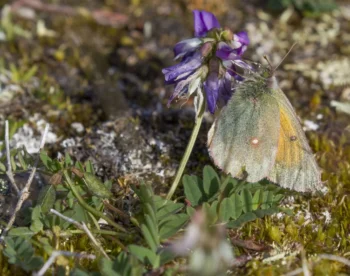
Alpine Milkvetch: A Hardy Native Wildflower for Cold-Climate Gardens
If you’re looking for a tough-as-nails native plant that can handle whatever Mother Nature throws at it, let me introduce you to alpine milkvetch (Astragalus alpinus). This unassuming little perennial might not win any flashy flower contests, but it’s got staying power that would make a marathon runner jealous.
What Makes Alpine Milkvetch Special?
Alpine milkvetch is a true North American native, calling home to an impressive range that spans from Alaska all the way down through Canada and into many of the northern United States. You’ll find this hardy survivor thriving in places like Colorado, Maine, Montana, and everywhere in between – basically anywhere that gets seriously cold winters.
This widespread distribution tells us something important: this plant knows how to adapt. Whether you’re gardening in the frozen tundra of Alaska or the mountain meadows of Colorado, alpine milkvetch has probably been there first, quietly doing its thing for thousands of years.
- Species observed
- No observations
What Does It Look Like?
Don’t expect towering drama from alpine milkvetch – this is more of a quietly beautiful kind of plant. It stays relatively low to the ground and produces delicate, pea-like flowers that range from purple to white. The compound leaves give it a soft, feathery texture that works beautifully as a ground cover or accent plant.
As a member of the legume family, those distinctive flowers are more than just pretty – they’re magnets for pollinators, especially bees who can’t resist those sweet pea-family blooms.
Where Does Alpine Milkvetch Shine in Your Garden?
This plant is practically begging to be used in:
- Rock gardens – Its low-growing habit and drought tolerance make it perfect for tucking between stones
- Alpine gardens – Obviously! It’s right there in the name
- Naturalized areas – Let it spread and create natural-looking drifts
- Cold-climate landscapes – Where other plants fear to tread, alpine milkvetch thrives
Growing Conditions: Less is More
Here’s where alpine milkvetch really shines – it’s the definition of low-maintenance. This plant actually prefers life on the tough side:
- Sunlight: Full sun is best
- Soil: Well-drained is essential – it can handle poor, rocky, or sandy soils like a champ
- Water: Once established, it’s quite drought tolerant
- Hardiness: Thrives in USDA zones 2-7 (yes, zone 2 – this plant laughs at winter)
The key thing to remember is that alpine milkvetch has facultative wetland status across most regions, meaning it can handle both wet and dry conditions, though it generally prefers the drier side of things.
Planting and Care Tips
The beauty of alpine milkvetch is that once you get it established, it pretty much takes care of itself:
- Planting: Spring or fall planting works well
- Spacing: Give plants room to spread naturally
- Watering: Water regularly the first year, then back off – overwatering is more likely to hurt than help
- Fertilizing: Skip it! Like most legumes, this plant can fix its own nitrogen
- Maintenance: Minimal pruning needed, just remove spent flowers if you want to prevent self-seeding
Why Choose Alpine Milkvetch?
In a world of high-maintenance garden divas, alpine milkvetch is refreshingly honest about what it offers. You won’t get massive blooms or tropical colors, but you will get:
- A truly native plant that supports local ecosystems
- Reliable pollinator support throughout the growing season
- A plant that actually gets tougher with neglect
- Year-round interest with attractive foliage
- The satisfaction of growing something that belongs in your landscape
If you’re ready to embrace the less is more philosophy of gardening, alpine milkvetch might just become your new favorite low-key superstar. It’s proof that sometimes the most beautiful gardens are the ones that work with nature instead of against it.