Alpine Mirrorplant: A Rare Hawaiian Gem for Your Garden
If you’re looking to add a touch of Hawaiian alpine magic to your garden, meet the alpine mirrorplant (Coprosma montana). This charming little shrub might not be the showiest plant in the garden center, but it’s got character in spades and a story worth telling. Also known as mountain pilo, this native Hawaiian beauty is a true survivor that’s adapted to some pretty tough conditions.
A Plant with Island Roots
The alpine mirrorplant is a proud Hawaiian native, found naturally only on the islands of Maui and Hawaii (Big Island). This perennial shrub calls the high-elevation slopes of these islands home, where it has learned to thrive in challenging mountain conditions. In Hawaii, you’ll find it growing naturally in alpine shrublands and subalpine zones.
- Species observed
- No observations
What Does It Look Like?
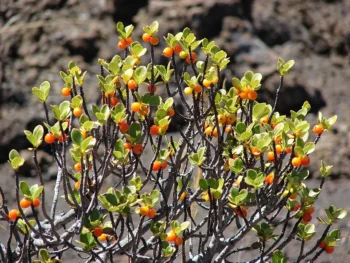
Don’t expect a towering presence from this little guy. Alpine mirrorplant is a compact, multi-stemmed shrub that typically stays under 5 meters tall, though it’s usually much smaller in cultivation. Its claim to fame lies in its tiny, glossy oval leaves that create a fine, almost delicate texture. The small, inconspicuous flowers aren’t much to write home about, but they’re followed by small berries that add subtle interest.
The overall form is dense and somewhat mounded, making it an excellent choice for creating texture and structure in the garden without overwhelming other plants.
Important Conservation Note
Here’s where things get serious for a moment. Alpine mirrorplant has a Global Conservation Status of S3, meaning it’s considered vulnerable in the wild. With only 21 to 100 known occurrences and somewhere between 3,000 and 10,000 individual plants remaining, this is a species that needs our help.
If you decide to grow alpine mirrorplant, please make sure you source it responsibly from reputable native plant nurseries or conservation programs. Never collect plants from the wild – let’s keep the remaining wild populations safe and sound.
Garden Uses and Design Ideas
Despite its rarity in nature, alpine mirrorplant can be a fantastic addition to the right garden. Here’s where it shines:
- Rock gardens where its compact form complements stone features
- Alpine and xerophytic garden designs
- Native Hawaiian plant collections
- Ground cover in areas with excellent drainage
- Textural contrast plant alongside larger, coarser-leaved species
It’s particularly well-suited for gardens that celebrate native plants or those designed to mimic natural Hawaiian landscapes.
Growing Conditions
Alpine mirrorplant earned its mountain credentials honestly – it prefers conditions that mimic its high-elevation Hawaiian home:
- Sunlight: Full sun to partial shade
- Soil: Well-draining soil is absolutely crucial – this plant hates wet feet
- Water: Drought tolerant once established; avoid overwatering
- Climate: Thrives in USDA zones 9-11, but prefers cooler conditions within those zones
- Wind: Tolerates wind well, thanks to its mountain heritage
Planting and Care Tips
Getting alpine mirrorplant established requires attention to a few key details:
- Plant in spring or fall when temperatures are moderate
- Ensure excellent drainage – consider raised beds or slopes if your soil is heavy
- Water regularly during the first growing season, then reduce watering significantly
- Mulch lightly with gravel or small stones rather than organic mulch
- In hotter climates, provide afternoon shade to prevent stress
- Minimal fertilization needed – this plant prefers lean conditions
Wildlife and Ecological Benefits
While alpine mirrorplant isn’t a major pollinator magnet (its flowers are wind-pollinated), it does contribute to native ecosystem restoration efforts. The berries may provide food for native Hawaiian birds, and by growing this species, you’re helping to preserve genetic diversity of a vulnerable native plant.
Is Alpine Mirrorplant Right for Your Garden?
This plant is perfect for gardeners who:
- Want to support native plant conservation
- Have well-draining soil and don’t mind providing specialized care
- Appreciate subtle beauty over flashy displays
- Are creating native Hawaiian or alpine-themed gardens
- Live in appropriate climate zones (9-11) with access to responsibly sourced plants
Alpine mirrorplant might not be the easiest plant to find or grow, but for the right gardener in the right location, it’s a meaningful way to connect with Hawaiian native flora while supporting conservation efforts. Just remember – source responsibly, and you’ll have a unique piece of Hawaii’s mountain heritage right in your own backyard.