Alpine Mountainsorrel: A Hardy High-Altitude Native Worth Considering
If you’re dreaming of creating a slice of mountain wilderness in your garden, alpine mountainsorrel (Oxyria digyna) might just be the plant to transport you there. This tough little perennial has been thriving in some of North America’s most challenging environments for millennia, and while it’s not the easiest plant to grow, it offers unique rewards for the dedicated native plant enthusiast.
What is Alpine Mountainsorrel?
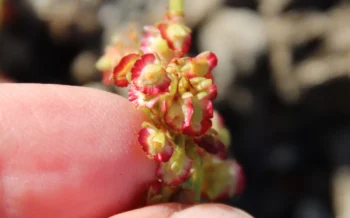
Alpine mountainsorrel is a low-growing perennial forb that belongs to the buckwheat family. Despite its common name suggesting it’s related to sorrel, this hardy native has carved out its own niche in the plant world. Growing to just about 1 foot tall, this plant forms a single crown with distinctive kidney-shaped leaves and reddish stems that give it character throughout the growing season.
You might also encounter this plant listed under its scientific synonym, Rumex digyna, in older botanical references, but Oxyria digyna is the accepted name today.
Where Alpine Mountainsorrel Calls Home
This remarkable plant is native across a vast range of North America, including Alaska, Canada, Greenland, and many of the lower 48 states. You’ll find it naturally growing in states and provinces from Alberta and British Columbia down to Arizona, California, and even Texas, though it’s most at home in mountainous and northern regions. It also grows in Quebec, Nova Scotia, and extends into the Arctic territories of Yukon, Northwest Territories, and Nunavut.
- Species observed
- No observations
The Appeal (and Challenge) of Growing Alpine Mountainsorrel
Let’s be honest – alpine mountainsorrel isn’t going to win any beauty contests in the traditional sense. Its flowers are small, green, and fairly inconspicuous, blooming in mid-summer without much fanfare. However, this plant has a subtle charm that grows on you:
- Distinctive kidney-shaped leaves with attractive reddish stems
- Extremely cold hardy (surviving temperatures down to -43°F)
- Authentic native plant for mountain and northern gardens
- Low maintenance once established in the right conditions
- Moderate growth rate with interesting texture
Garden Role and Landscape Use
Alpine mountainsorrel is not your typical border plant or showy specimen. Instead, think of it as a character actor in your garden’s cast – it plays a supporting role that adds authenticity and interest to specific garden styles:
- Rock gardens: Perfect for tucking between stones in alpine-style plantings
- Native plant gardens: Adds authenticity to high-altitude or northern native plant collections
- Naturalized areas: Excellent for mountain property restoration or naturalization projects
- Specialty collections: A must-have for collectors of arctic or alpine plants
Growing Conditions: Not for Everyone
Here’s where alpine mountainsorrel gets picky – and why many gardeners might want to think twice before trying to grow it. This plant has evolved for harsh mountain conditions and can be surprisingly difficult to accommodate in typical garden settings.
Soil Requirements:
- Prefers coarse or medium-textured soils (avoid heavy clay)
- Needs excellent drainage
- pH range of 6.0-8.0
- Low fertility requirements (don’t pamper it with rich soil)
Climate Preferences:
- USDA Hardiness Zones 2-7
- Requires at least 100 frost-free days
- Annual precipitation between 30-60 inches
- Cool summers and cold winters
- Low drought tolerance
Light and Moisture:
- Intermediate shade tolerance
- Medium moisture use
- Cannot tolerate waterlogged conditions despite needing consistent moisture
Wetland Considerations
Alpine mountainsorrel has an interesting relationship with moisture that varies by region. In most areas, it’s classified as Facultative Upland, meaning it usually grows in non-wetland areas but can occasionally pop up in wetland edges. However, in the Northcentral and Northeast regions, it’s considered Facultative Wetland. This flexibility makes it useful for transition zones between wet and dry areas in appropriate climates.
Planting and Care Tips
If you’re determined to grow alpine mountainsorrel, here’s how to give it the best shot at success:
Starting from Seed:
- Seeds require cold stratification before planting
- Expect low seed abundance and slow germination
- Seeds don’t persist long, so plant fresh seed when available
- Seedling vigor is medium – be patient
Ongoing Care:
- Provide consistent moisture without waterlogging
- Avoid fertilizing – this plant thrives on lean conditions
- Mulch lightly to retain moisture and keep roots cool
- Don’t expect rapid establishment – this plant takes its time
Wildlife and Pollinator Value
While alpine mountainsorrel won’t attract clouds of butterflies like some showier natives, it does have ecological value. The small, inconspicuous flowers may attract tiny insects and flies that are important in alpine ecosystems. However, if supporting pollinators is your primary goal, you might want to pair it with more pollinator-friendly native plants suited to your region.
Should You Grow Alpine Mountainsorrel?
This plant is definitely not for everyone, and that’s okay! Consider alpine mountainsorrel if you:
- Live in a naturally cool, mountainous climate
- Are creating an authentic alpine or arctic plant collection
- Have the right soil and drainage conditions
- Enjoy the challenge of growing specialized natives
- Value plants for their ecological authenticity over flashy blooms
However, you might want to skip this one if you:
- Live in a hot, humid climate
- Want fast results or immediate garden impact
- Have heavy clay soil or poor drainage
- Prefer low-maintenance, adaptable plants
Alpine mountainsorrel is a fascinating native plant that offers a genuine connection to North America’s wild mountain landscapes. While it’s not the easiest plant to grow successfully, for the right gardener in the right location, it can be a treasured addition that brings a touch of alpine authenticity to the home landscape. Just remember – this is a plant that demands respect for its specific needs, but rewards that patience with years of quiet, understated beauty.