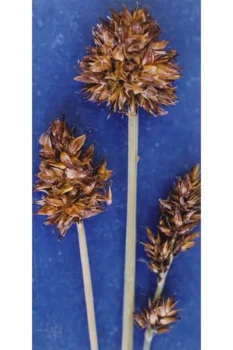
Alpine Nerve Sedge: A Hardy Native for Specialized Gardens
If you’re looking to add authentic native character to your mountain garden or need a reliable plant for those tricky wet spots, alpine nerve sedge (Carex neurophora) might just be your answer. This understated perennial sedge won’t win any flashy flower contests, but what it lacks in showy blooms, it makes up for in dependable performance and ecological value.
What Exactly Is Alpine Nerve Sedge?
Alpine nerve sedge is a native perennial sedge that belongs to the grass-like plant family. Don’t let the grass-like description fool you into thinking it’s actually a grass – sedges have their own unique characteristics and ecological roles. This particular species calls the western United States home, thriving in the cooler, mountainous regions where many other plants struggle.
Where You’ll Find It Growing Wild
This hardy sedge has claimed territory across nine western states: California, Colorado, Idaho, Montana, Nevada, Oregon, Utah, Washington, and Wyoming. It’s particularly fond of higher elevations and cooler climates, which explains the alpine part of its common name.
- Species observed
- No observations
The Honest Truth About Its Looks
Let’s be real – alpine nerve sedge isn’t going to be the star of your Instagram garden photos. This is a plant that values function over form. It produces small clumps of narrow, grass-like leaves and inconspicuous flowers that are more about getting the job done than putting on a show. Think of it as the reliable friend who’s always there when you need them, not the flashy one who steals the spotlight.
Why You Might Want to Plant It
Here are some compelling reasons to consider adding alpine nerve sedge to your landscape:
- It’s genuinely native: Supporting local ecosystems never goes out of style
- Moisture management: Excellent for areas that stay consistently damp
- Low maintenance: Once established, it pretty much takes care of itself
- Cold hardy: Thrives in challenging mountain conditions
- Erosion control: Those roots help hold soil in place
Perfect Garden Situations
Alpine nerve sedge shines in specific garden scenarios:
- Rock gardens with consistent moisture
- Alpine and mountain-themed landscapes
- Rain gardens and bioswales
- Naturalized areas where you want authentic native plants
- Edges of ponds or water features
Growing Conditions That Make It Happy
This sedge has some specific preferences, but they’re not too demanding once you understand them:
- Moisture: Prefers consistently moist to wet soil – it’s classified as a facultative wetland plant
- Light: Full sun to partial shade
- Climate: Cool, mountain conditions (likely hardy in USDA zones 4-8)
- Soil: Adaptable, but appreciates good drainage despite loving moisture
Planting and Care Tips
Getting alpine nerve sedge established is pretty straightforward:
- Plant in spring or early fall when temperatures are cooler
- Ensure consistent moisture, especially during the first growing season
- Mulch around plants to help retain moisture
- Once established, it requires minimal care
- Avoid letting it completely dry out
Wildlife and Pollinator Value
While sedges don’t offer the same pollinator benefits as showy flowering plants (they’re wind-pollinated), they do provide habitat and food for various wildlife species. Birds may use the seeds, and the plant structure offers cover for small creatures.
The Bottom Line
Alpine nerve sedge isn’t for everyone, and that’s perfectly okay. It’s a specialized plant for specific situations – particularly if you’re dealing with consistently moist conditions in a cooler climate and want to use authentic native species. If you’re looking for dramatic color or show-stopping flowers, you’ll want to look elsewhere. But if you need a reliable, low-maintenance native that can handle wet feet and cold winters, alpine nerve sedge could be exactly what you’re seeking.
Consider it for those challenging spots where other plants have failed, or when you’re creating a truly authentic mountain landscape. Sometimes the most valuable plants are the ones that quietly do their job without demanding attention – and alpine nerve sedge definitely falls into that category.