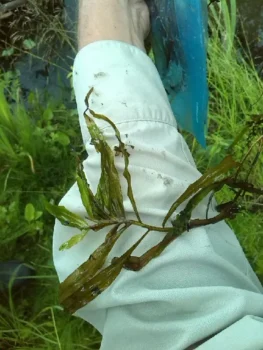
Alpine Pondweed: The Hardy Aquatic Native Your Water Garden Needs
If you’re dreaming of creating a natural water feature that truly belongs in your landscape, let me introduce you to alpine pondweed (Potamogeton alpinus). This unassuming aquatic perennial might not win any beauty contests, but it’s exactly the kind of hardworking native plant that makes water gardens thrive.
Meet Your New Aquatic Ally
Alpine pondweed is a perennial forb that lives its entire life in or near water. Think of it as the underwater equivalent of prairie grass – it might look simple, but it’s doing important work beneath the surface. This native plant has adapted to life in some pretty challenging environments, from chilly mountain lakes to northern wetlands.
Where Alpine Pondweed Calls Home
This hardy native has an impressive range, naturally occurring across Alaska, Canada, Greenland, and much of the northern United States. You’ll find it growing wild from the Pacific Northwest through the Great Lakes region, and even in some surprising spots like California and New Mexico. It’s particularly common in Alberta, British Columbia, Minnesota, and the Maritime provinces.
- Species observed
- No observations
Why Your Water Garden Wants Alpine Pondweed
Here’s the thing about alpine pondweed – it’s not going to be the showstopper in your pond, but it’s going to be the reliable workhorse that keeps everything running smoothly. This plant excels at:
- Providing underwater habitat structure for fish and amphibians
- Helping maintain water quality by absorbing excess nutrients
- Creating natural-looking aquatic environments
- Thriving in cooler climates where other aquatic plants struggle
What to Expect
Alpine pondweed produces narrow, lance-shaped leaves that remain submerged for most of the growing season. In summer, you might notice small, inconspicuous flower spikes poking above the water surface – they’re not much to look at, but they’re wind-pollinated, so no worries about attracting bees to your swimming area.
Perfect Growing Conditions
This plant is refreshingly straightforward about its needs. Alpine pondweed thrives in:
- Cool, fresh water between 1-6 feet deep
- Full sun to partial shade
- USDA hardiness zones 2-7
- Muddy or sandy pond bottoms
- Water temperatures that stay relatively cool
As an obligate wetland plant, alpine pondweed absolutely must have consistently wet conditions – it’s not tolerating any dry feet situations.
Planting and Care Made Simple
The good news? Alpine pondweed is wonderfully low-maintenance once you get it established. Here’s how to set it up for success:
- Plant in early spring when water temperatures are cool
- You can plant directly in pond substrate or use weighted containers
- Space plants about 18-24 inches apart
- The plant will spread naturally through rhizomes and winter buds
- No fertilizing needed – it gets nutrients from the water
- Winter care is minimal; the plant naturally dies back and regrows from rhizomes
Is Alpine Pondweed Right for Your Space?
This native is ideal for gardeners who want to create naturalistic water features, especially in cooler climates. It’s perfect for wildlife ponds, constructed wetlands, or larger natural swimming pools. However, if you’re looking for showy aquatic plants with colorful flowers, you might want to pair alpine pondweed with more ornamental species like native water lilies.
Consider alpine pondweed if you’re dealing with a challenging aquatic site – perhaps a pond that gets cold in winter or doesn’t get full sun all day. This tough native can handle conditions that would stress out more delicate aquatic plants.
The Bottom Line
Alpine pondweed might not be the most glamorous plant in the native gardening world, but it’s a solid choice for anyone serious about creating authentic aquatic habitats. It’s the kind of plant that quietly does its job, supports local ecosystems, and asks for very little in return. In a world of high-maintenance garden divas, sometimes the humble workhorses deserve our appreciation too.