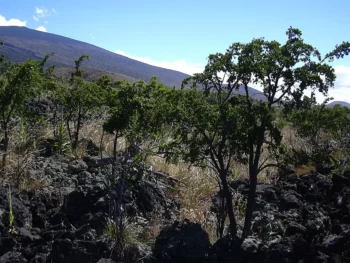
Alpine Sandmat: A Rare Hawaiian Treasure for Your Native Garden
Meet the alpine sandmat (Chamaesyce olowaluana), a little-known Hawaiian native that’s as special as it is challenging to find. Also known by its Hawaiian name ‘akoko, this perennial shrub represents one of Hawaii’s most endangered plant treasures – and with the right approach, it could become a meaningful addition to your conservation garden.
What Makes Alpine Sandmat Special?
This isn’t your typical garden center find. Alpine sandmat is a compact, multi-stemmed shrub that typically grows less than 13-16 feet tall, though it usually stays much smaller in cultivation. As a member of the spurge family, it produces small, inconspicuous flowers and has adapted to Hawaii’s unique high-elevation environments.
What truly sets this plant apart is its rarity. With a Global Conservation Status of S2 (Imperiled), alpine sandmat has only 6-20 known occurrences in the wild, making it extremely vulnerable to extinction. This means every responsibly grown specimen in cultivation could play a role in conservation efforts.
Where Does Alpine Sandmat Come From?
Alpine sandmat is endemic to Hawaii, meaning it exists nowhere else on Earth naturally. This remarkable plant has evolved specifically for the Hawaiian Islands’ unique conditions, particularly in high-elevation areas where few other plants can thrive.
- Species observed
- No observations
Should You Plant Alpine Sandmat?
Here’s where things get important: only if you can source it responsibly. Given its imperiled status, you should never collect this plant from the wild or purchase from sources that might have done so. Instead, look for:
- Certified native plant nurseries specializing in Hawaiian species
- Conservation organizations with propagation programs
- Botanical gardens offering ethically propagated specimens
- Seed from verified, sustainable sources
If you can source alpine sandmat responsibly, growing it becomes an act of conservation – you’re helping preserve a piece of Hawaii’s irreplaceable natural heritage.
Growing Alpine Sandmat Successfully
This plant isn’t for beginners, but it’s absolutely worth the effort if you’re up for the challenge. Alpine sandmat thrives in USDA hardiness zones 10-11, making it suitable primarily for tropical and subtropical regions.
Perfect Growing Conditions
- Drainage: Excellent drainage is non-negotiable – think rocky, well-draining soil
- Light: Full sun to partial shade
- Water: Minimal once established; this plant prefers dry conditions
- Soil: Rocky, volcanic-type soils work best
- Climate: Warm temperatures year-round with good air circulation
Planting and Care Tips
When planting alpine sandmat, think mountain conditions. Create a well-draining planting area with plenty of rocky material or pumice mixed into the soil. Plant in spring or fall when temperatures are more moderate, and water sparingly – overwatering is one of the fastest ways to lose this plant.
Once established, alpine sandmat requires minimal care. The key is restraint: less water, minimal fertilizer, and good drainage will keep your plant happy for years.
Design Ideas for Your Garden
Alpine sandmat shines in specialized garden settings:
- Rock gardens: Perfect for crevices and well-draining rocky areas
- Native Hawaiian gardens: An authentic choice for cultural landscape designs
- Xerophytic landscapes: Excellent for water-wise, drought-tolerant gardens
- Conservation gardens: A meaningful addition to gardens focused on rare species preservation
Supporting Hawaiian Conservation
By growing alpine sandmat responsibly, you’re doing more than just gardening – you’re participating in conservation. This imperiled species needs all the help it can get, and every garden that successfully grows it creates a genetic safety net for the future.
Remember, the best way to help alpine sandmat is to source it ethically and grow it well. If you can’t find responsibly sourced plants, consider supporting Hawaiian conservation organizations that work to protect this and other endangered native species.
Alpine sandmat may be small and unassuming, but it carries the weight of Hawaii’s natural history. For gardeners ready to take on the challenge, it offers the unique satisfaction of nurturing one of the world’s rarest plants – right in your own backyard.