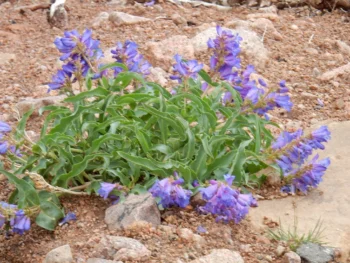
Alpine Sawsepal Penstemon: A High-Altitude Beauty for Your Garden
If you’re looking for a tough, beautiful native plant that can handle challenging conditions while attracting pollinators, let me introduce you to the alpine sawsepal penstemon (Penstemon glaber var. alpinus). This hardy perennial is like the mountain climber of the flower world – it thrives where other plants might throw in the trowel!
Meet This Rocky Mountain Native
Alpine sawsepal penstemon is a true native of the American West, naturally occurring in the high-elevation regions of Colorado, New Mexico, and Wyoming. You might also see it listed under its synonym, Penstemon alpinus, but don’t let that confuse you – it’s the same wonderful plant.
This perennial forb (that’s botanist-speak for a non-woody flowering plant) belongs to the snapdragon family and embodies the small but mighty philosophy perfectly.
- Species observed
- No observations
Why You’ll Fall in Love With Alpine Sawsepal Penstemon
Here’s what makes this little powerhouse so special:
- Stunning flowers: Tubular blue to purple blooms that seem to glow against the landscape
- Pollinator magnet: Hummingbirds, bees, and butterflies can’t resist those nectar-rich flowers
- Drought champion: Once established, it laughs in the face of dry conditions
- Low maintenance: Perfect for gardeners who want beauty without the fuss
- Native credentials: Supporting local ecosystems while creating gorgeous displays
Perfect Spots for Your Alpine Sawsepal Penstemon
This versatile native shines in several garden settings:
- Rock gardens: Its compact form and drought tolerance make it ideal for rocky landscapes
- Alpine gardens: Naturally! It brings authentic high-altitude charm to mountain-style plantings
- Xeriscape designs: A star player in water-wise landscaping
- Native plant gardens: Pairs beautifully with other Western natives
- Pollinator gardens: Essential for supporting local wildlife
Growing Conditions: Keep It Simple
The beauty of alpine sawsepal penstemon lies in its simplicity. This plant actually prefers the tough love approach:
- Sunlight: Full sun is best – at least 6 hours daily
- Soil: Well-draining is non-negotiable; it tolerates poor soils beautifully
- Water: Drought tolerant once established; overwatering is more harmful than underwatering
- Hardiness: Thrives in USDA zones 3-7, handling both cold winters and hot summers
Planting and Care Tips for Success
Getting your alpine sawsepal penstemon off to a good start is easier than you might think:
Planting: Spring is your best bet for planting. Choose a spot with excellent drainage – if water pools after rain, look elsewhere. The plant’s compact, low-growing habit makes it perfect for front-of-border placement.
Watering: Water regularly the first growing season to establish roots, then step back and let nature take over. This plant actually performs better with minimal irrigation once mature.
Maintenance: Deadhead spent flowers to encourage continued blooming throughout the growing season. In late fall or early spring, you can cut back the previous year’s growth.
Fertilizing: Less is more! Rich soils can actually make the plant leggy and reduce flowering. Your alpine penstemon prefers lean conditions.
Wildlife Benefits: A Pollinator Paradise
One of the most rewarding aspects of growing alpine sawsepal penstemon is watching the wildlife it attracts. The tubular flowers are perfectly designed for hummingbirds, while various native bees and butterflies also visit regularly. You’re not just growing a beautiful plant – you’re creating habitat and supporting the local ecosystem.
Is Alpine Sawsepal Penstemon Right for Your Garden?
This native beauty is perfect if you:
- Want a low-maintenance perennial that delivers big on beauty
- Are creating a drought-tolerant or water-wise landscape
- Love supporting native wildlife and pollinators
- Garden in challenging conditions where other plants struggle
- Appreciate the authentic charm of Western native plants
Alpine sawsepal penstemon proves that sometimes the best garden plants are the ones that don’t need us to fuss over them. Plant it, give it good drainage and some sunshine, then step back and enjoy the show. Your garden – and the local hummingbirds – will thank you!